Your Daughter Just Got Her First Period: A Parent's Guide to What Happens Next
A practical guide for parents supporting their daughter's first period, tips, essentials, and what to expect.
So it happened. Your little girl just got her first period, and suddenly you're both standing in uncharted territory. Whether she came to you in tears, whispered it quietly, or announced it matter-of-factly over breakfast, one thing is certain: this moment changes everything and nothing all at once.
Take a deep breath, parent. You've got this. And more importantly, she's got this too. Here's your practical guide to navigating this milestone with grace, wisdom, and maybe just a little less panic than you're feeling right now.
First things first: celebrate this milestone
Before diving into the practical stuff, pause and recognize what just happened. Your daughter's body has reached an incredible developmental milestone. The average age for first periods is between 10–15 years, and this signals that her reproductive system is maturing normally.
This isn't just a "woman thing" she needs to handle alone; it's a family milestone worth acknowledging positively. How you respond to this moment sets the tone for how she'll view her period for years to come.
What to expect in the coming months
Her first period is just the beginning of a learning curve that will take 1–2 years to stabilize. Early periods are often irregular; they might come every few weeks or skip months entirely. Her flow might be light one month and heavier the next. This unpredictability can feel overwhelming for both of you, but it's a normal part of adolescent development.
Stock up on the essentials (but don't go overboard)
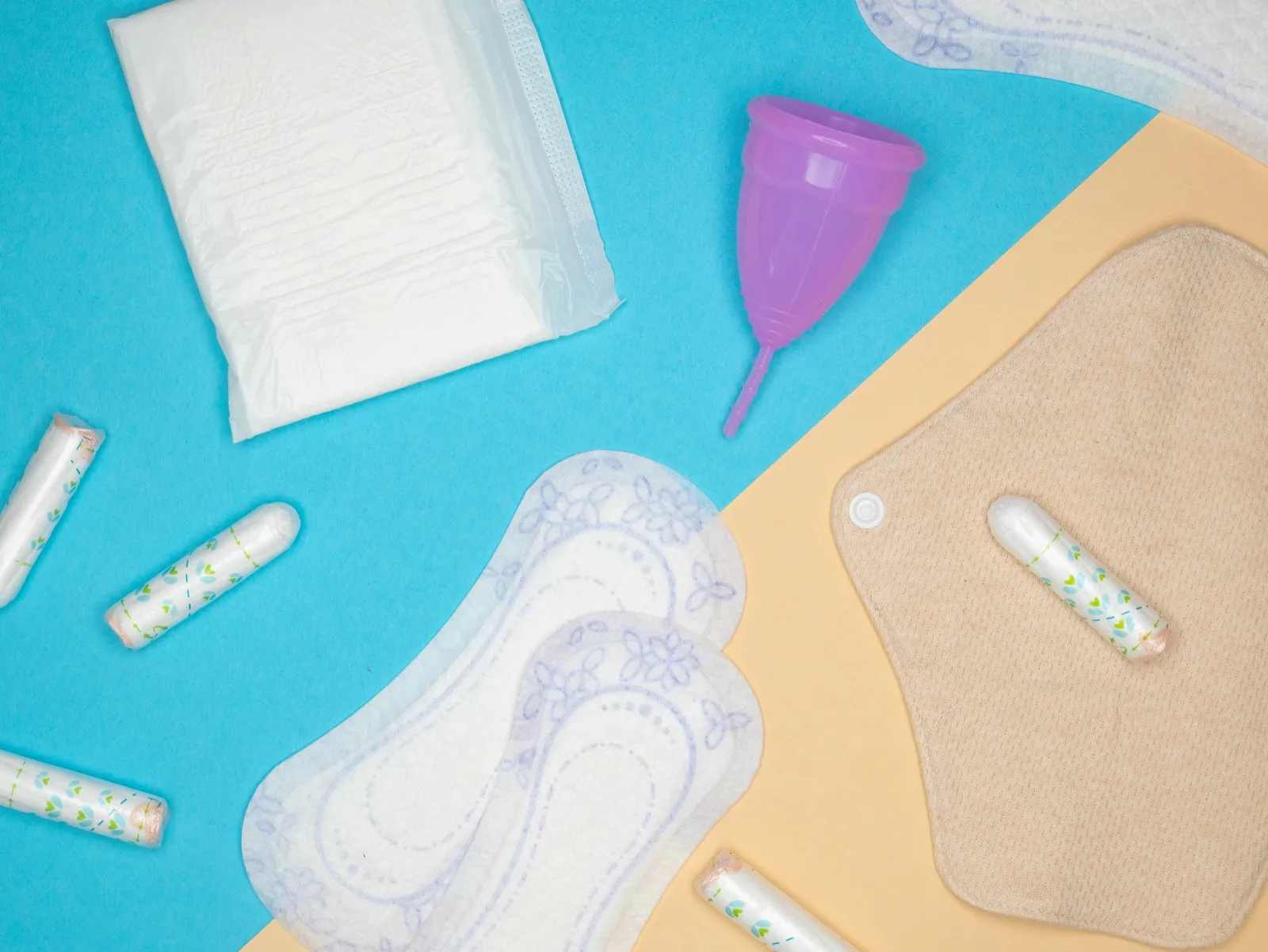
- Basic supplies: a variety pack of pads in different absorbencies, some panty liners for light days, and comfortable cotton underwear she won't mind getting stained. Most young girls start with pads before moving to other products.
- Pain relief: child-appropriate pain relievers and a heating pad for cramps, plus her favorite comfort foods and herbal teas.
- Emergency kit: a small bag for her backpack with supplies, wet wipes, and a change of underwear. Normalize keeping this kit handy, it's preparation, not paranoia.
Have "the talk" (even if you think you already did)
She needs to understand what's happening in her body and feel empowered to advocate for her health. Talk about tracking her cycle, recognizing her body's signals, and understanding that periods affect mood, energy, and appetite. Establish that period problems aren't something she needs to suffer through silently, create an environment where she feels comfortable discussing symptoms, concerns, or changes with you.
Start tracking from day one
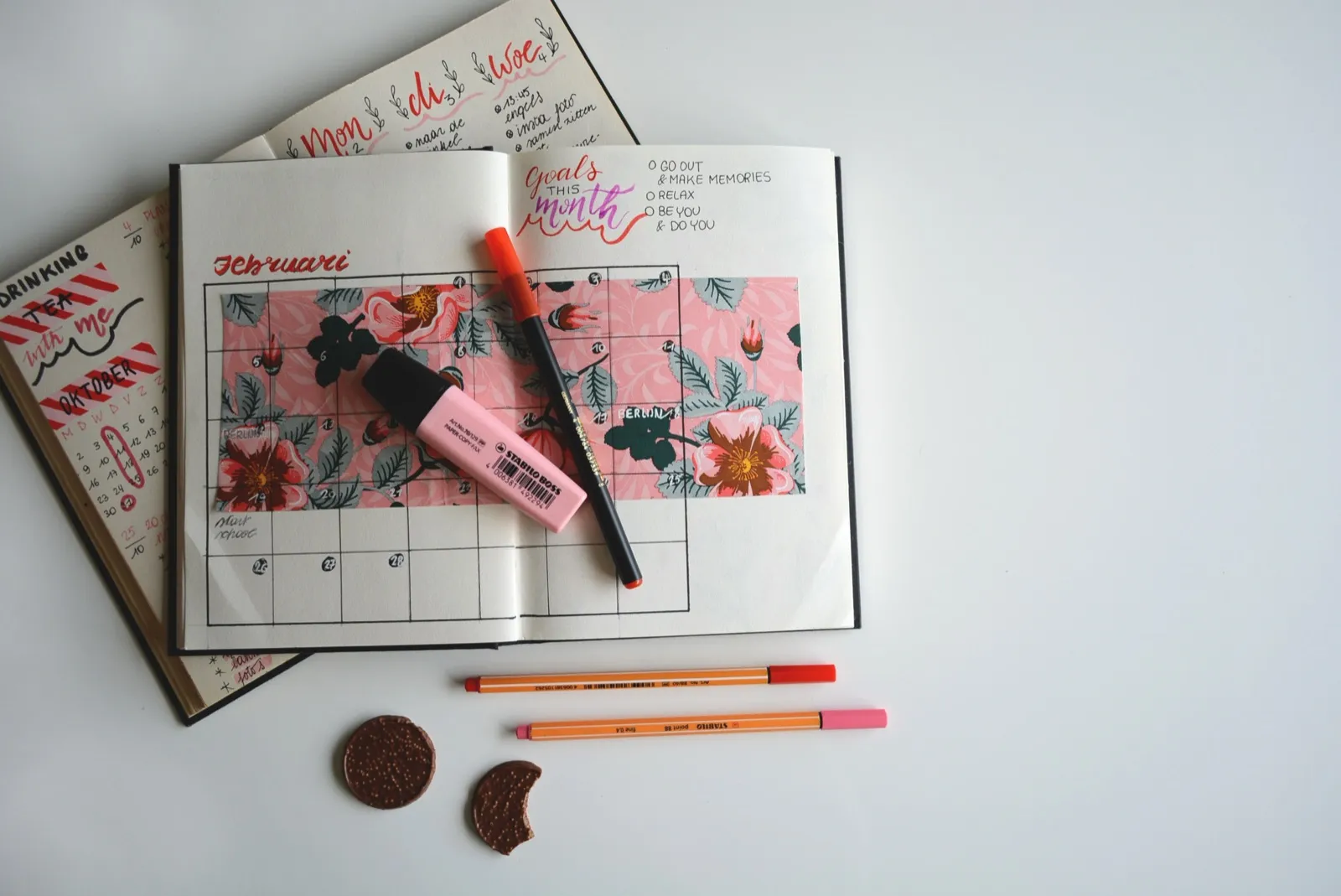
Starting cycle tracking immediately helps establish baseline patterns. The Asele web app is designed to be intuitive and educational, helping her learn about her body while tracking symptoms, moods, and flow patterns. The app's reflection prompts can also help her process the emotional aspects of this transition.
Address the emotional side too
Your daughter isn't just dealing with physical changes, she's processing a major shift in how she sees herself. Mood changes around periods are normal, especially during the learning phase. When she understands that feeling extra sensitive before her period is normal, she can prepare for it rather than being caught off guard.
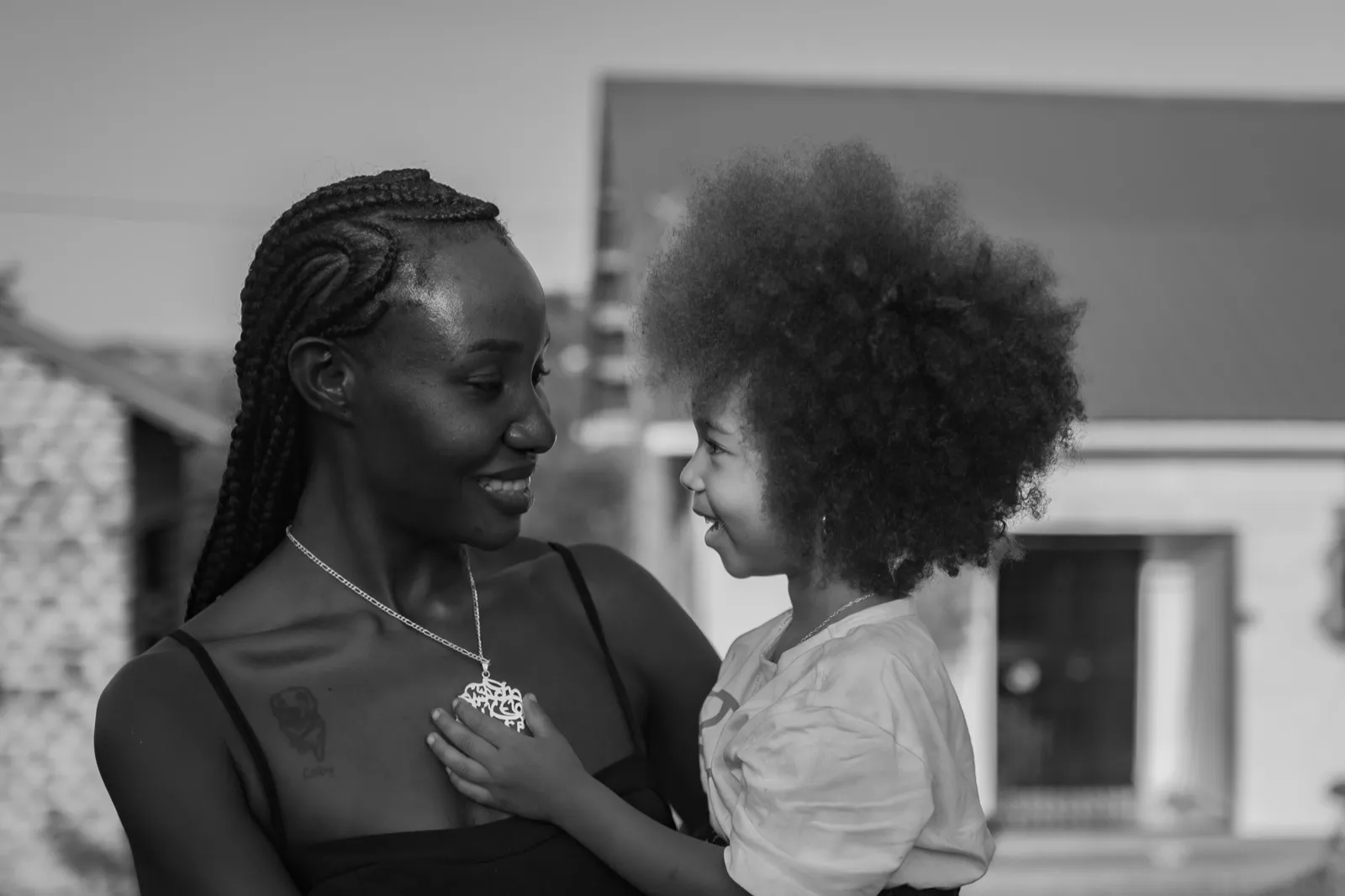
Navigate school and activities
Teach her to anticipate her needs based on her cycle patterns. Consider talking with her teachers or school nurse about accommodating period needs, access to bathroom breaks, keeping supplies in her locker, or having a quiet place to manage unexpected starts.

Know when to seek medical advice
While irregular periods are normal initially, contact a healthcare provider if she experiences severe pain that interferes with daily activities, extremely heavy bleeding, periods lasting longer than seven days, or if she hasn't had a period for several months after the first one. Trust your parental instincts.
Model healthy period attitudes
Your reaction to her first period, and periods in general, shapes her lifelong relationship with her menstrual health. Avoid language that frames periods as inconvenient, dirty, or shameful. Instead, model practical problem-solving, body positivity, and health advocacy.
Remember: this is a process, not a single event
Her first period isn't a switch that suddenly makes her a woman, it's the beginning of a years-long process of understanding her body. There will be forgotten supplies, unexpected starts, and moments when you both feel out of your depth. That's completely normal. Give yourselves grace as you both learn.
Your next steps
- Create an open dialogue about her experience and any questions she has.
- Help her set up cycle tracking using the Asele web app.
- Most importantly, remind her that getting her period doesn't change who she is, it just adds new information about how her amazing body works.
With the right support, information, and tools, she can navigate this transition confidently.
← Back to The Journal