Uterine Fibroids: What Every Woman Needs to Know
Symptoms, causes, and treatment options for uterine fibroids, explained simply.
What are fibroids?
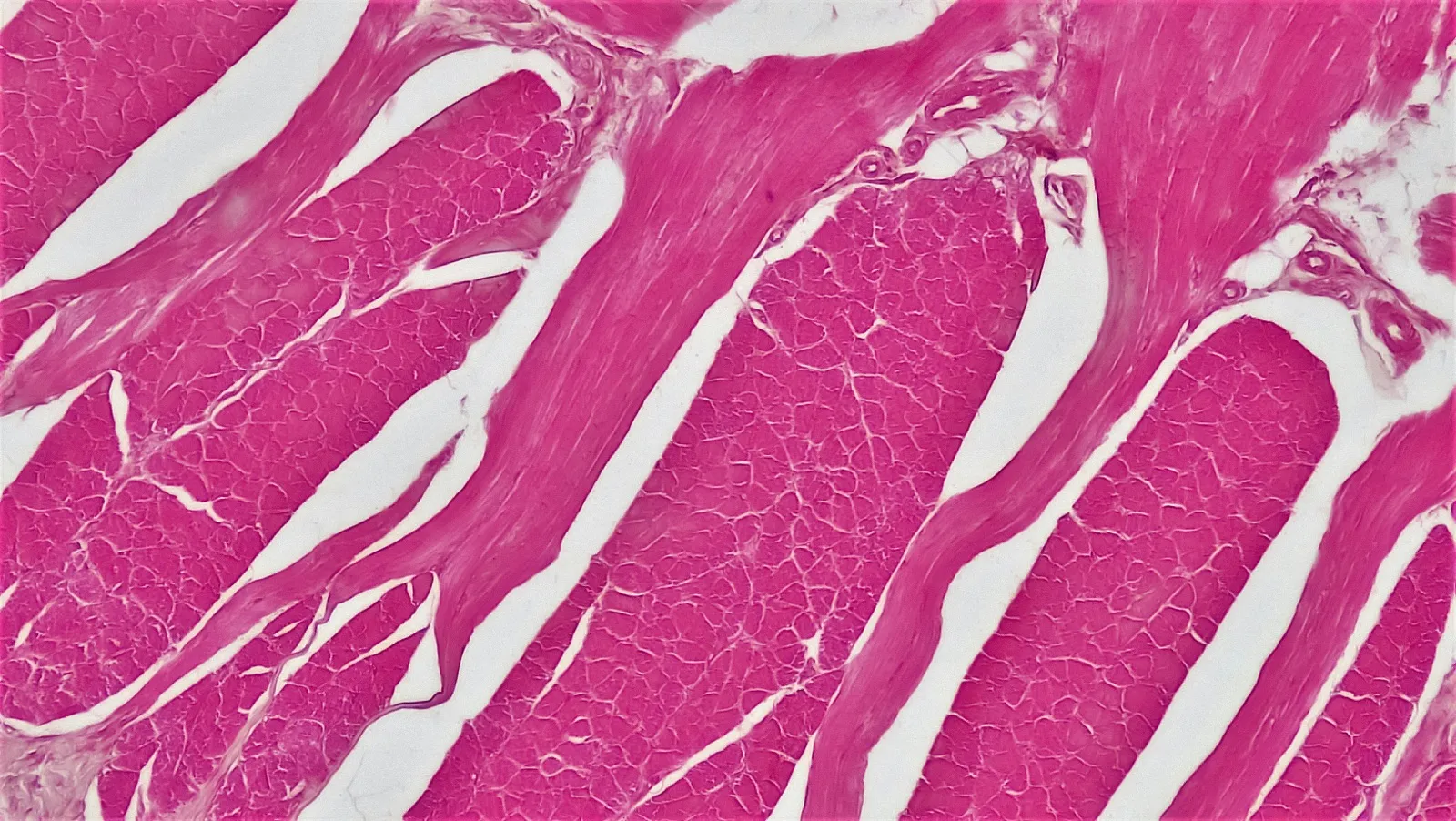
Fibroids (also called leiomyomas or myomas) are non-cancerous growths that develop in or on the uterus (your womb). They're made of muscle and fibrous tissue, and they can range in size from as small as a seed to as large as a grapefruit, or even bigger.
The key thing to know: fibroids are almost never cancerous. Less than 1 in 1,000 fibroids turn out to be cancerous.
How common are they?
Very common. Studies estimate that fibroids affect more than 70% of women by the time they reach 50. Many women have them without even knowing it, because fibroids don't always cause symptoms.
Why Black women are disproportionately affected
Research consistently shows that Black women, including women of African descent in Nigeria, Kenya, South Africa, the UK, and the US, are:
- 2 to 3 times more likely to develop fibroids compared to white women
- More likely to develop them at a younger age
- More likely to have larger and more numerous fibroids
- More likely to experience severe symptoms like heavy bleeding and anemia
The reasons aren't fully understood, but genetics, vitamin D deficiency, and higher rates of certain risk factors may play a role. Importantly, fibroids in Black women remain seriously under-researched.
What are the symptoms?
Not all fibroids cause problems. But when they do, symptoms can include:
- Heavy menstrual bleeding, soaking through pads or tampons quickly, passing large clots, or periods lasting more than 7 days
- Pelvic pain or pressure, a feeling of fullness or heaviness in your lower belly
- Frequent urination, if a fibroid presses on your bladder
- Constipation, if a fibroid presses on your rectum
- Lower back pain
- Pain during sex
- Difficulty getting pregnant, fibroids can sometimes block the fallopian tubes or affect implantation
- Enlarged abdomen, large fibroids can make your belly grow
What causes fibroids?
The exact cause isn't known, but several factors increase your risk:
- Hormones, estrogen and progesterone appear to promote fibroid growth, which is why fibroids tend to shrink after menopause
- Family history, if your mother or sister has fibroids, you're more likely to develop them too
- Race, Black women are at significantly higher risk
- Age, fibroids are most common in women in their 30s and 40s
- Vitamin D deficiency, some research suggests a link with low vitamin D
- Diet, diets high in red meat and low in fruits, vegetables, and dairy may increase risk
- Obesity, being overweight raises the risk
How are fibroids diagnosed?
Fibroids are often discovered during a routine pelvic exam. To confirm, your doctor may order an ultrasound (the most common test), an MRI (for more detailed images, especially before treatment), or a hysteroscopy (a thin, lighted scope inserted through the vagina to look inside the uterus).
Treatment options
Treatment depends on your symptoms, the size and location of your fibroids, your age, and whether you want to have children in the future.
Watchful waiting
If your fibroids aren't causing symptoms, your doctor may suggest monitoring them with regular check-ups and ultrasounds. Many fibroids stay the same size or even shrink on their own, especially after menopause.
Medications
- Hormonal birth control, pills, IUDs, or injections can help control heavy bleeding (see our contraception guide)
- GnRH agonists, temporarily shrink fibroids by lowering estrogen levels, often used before surgery
- Tranexamic acid, a non-hormonal medication that reduces heavy bleeding
- Iron supplements, to treat anemia caused by heavy bleeding
Minimally invasive procedures
- Uterine Fibroid Embolization (UFE), tiny particles cut off the fibroid's blood supply, causing it to shrink, with no major surgery
- Radiofrequency ablation, uses heat to destroy fibroid tissue
- MRI-guided focused ultrasound, uses sound waves to heat and destroy the fibroid
Surgical options
- Myomectomy, surgical removal of fibroids while keeping the uterus intact, often preferred by women who want children in the future
- Hysterectomy, removal of the uterus entirely, the only treatment that guarantees fibroids won't return; a major decision and a last resort
Living with fibroids: practical tips
- Track your symptoms, a record of periods, pain, and other symptoms helps your doctor make better decisions
- Eat well, a diet rich in fruits, vegetables, and whole grains may help
- Stay active, regular exercise helps manage weight and may reduce risk
- Get your vitamin D checked, especially if you have darker skin
- Don't suffer in silence, heavy periods and pelvic pain are not "normal"
Fibroids and PCOS: is there a link?
Research suggests women with PCOS may have a higher risk of developing fibroids. One landmark study found the incidence of fibroids was 65% higher in Black women with PCOS than those without. If you have PCOS, it's worth discussing fibroid screening with your doctor (read our full guide to PCOS).
The bottom line
Fibroids are common, they're not cancer, and there are many treatment options available. You don't have to live with debilitating symptoms. Talk to your doctor about what's right for you, and know that you have choices.
← Back to The Journal