Beginner's Guide to Understanding Your Cycle (Even If You're Clueless)
Understand your menstrual cycle in plain terms: the 4 phases, symptoms, and tips for syncing with your body.
Let's be honest: most of us didn't get a proper explanation of how our menstrual cycle actually works. We heard vague things in school, maybe had an awkward "talk," and were left to figure out the rest.
If you've ever thought, "Wait, my period came early again?" or "Why am I so moody and tired this week?" or "Is this cramp normal or is my uterus at war with me?", you're in the right place. This guide is your no-jargon, judgment-free zone to finally understand what's going on in your body.
What actually is the menstrual cycle?
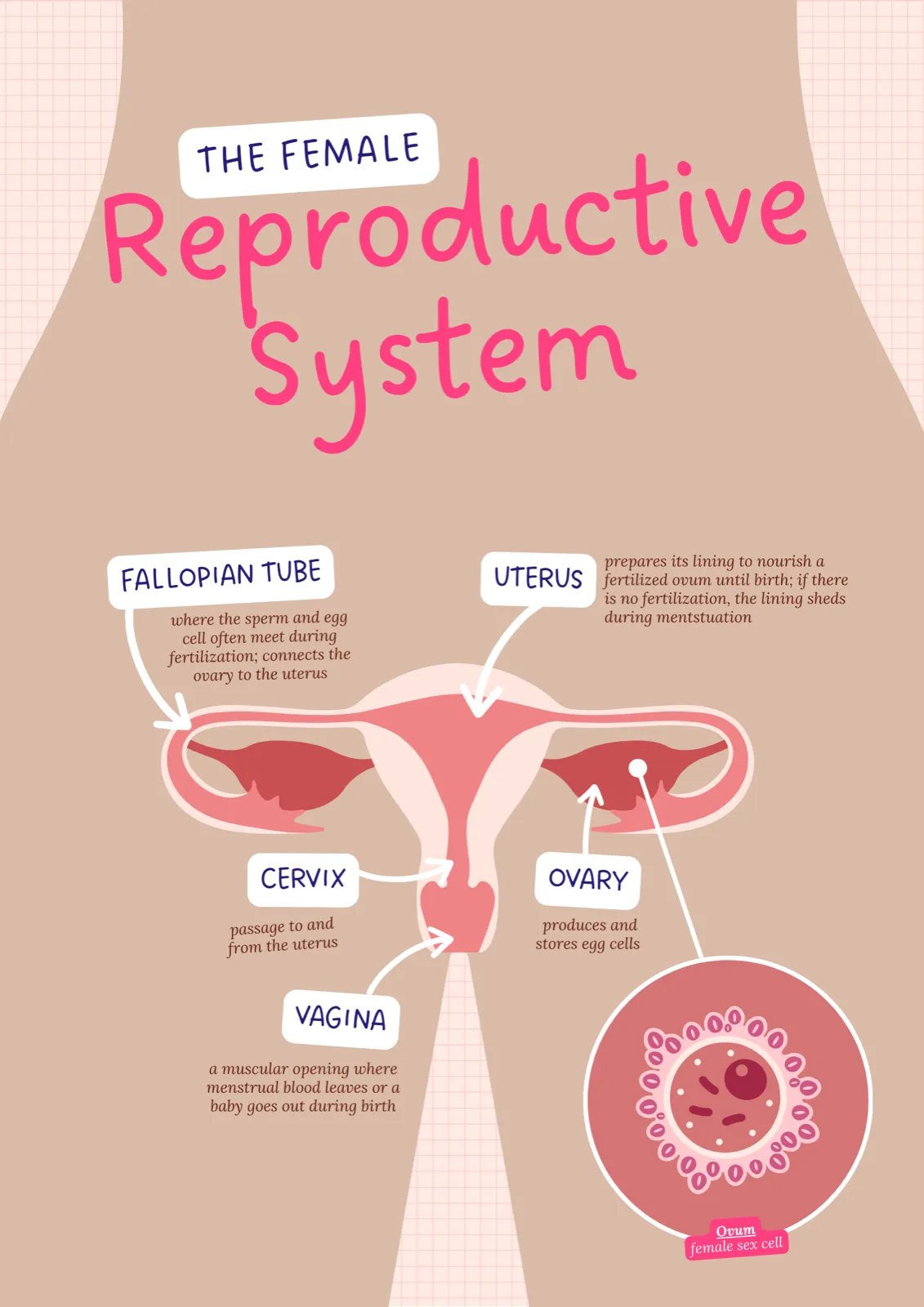
The menstrual cycle is not just your period. It's a monthly hormonal cycle that prepares your body for a potential pregnancy, even if you're not trying to get pregnant. It has four main phases, each with its own vibe, symptoms, and hormonal shifts.
The 4 phases of your cycle
1. Menstrual phase (Day 1–5)
Your body sheds the uterine lining. Common symptoms: cramping, fatigue, low energy, moodiness. Rest more if you can, eat iron-rich foods like ugu, beans, or lean meat, use heat pads or gentle stretching, and don't push yourself, this is your body's reset button.
2. Follicular phase (Day 1–13)
Your body produces estrogen and preps an egg for ovulation. You might feel more energetic, optimistic, and creative. Try new things, schedule tough tasks and workouts, and eat protein and veggies to support rising estrogen.
3. Ovulation phase (around Day 14)
Your ovary releases an egg. You might feel flirty, confident, and glowy. Signs include clear stretchy discharge, increased libido, and a slight cramp on one side. This is your most fertile window and your peak social energy, show up for events, interviews, or dates.
4. Luteal phase (Day 15–28)
Progesterone rises to support a potential pregnancy. If no pregnancy happens, hormones drop and PMS shows up: mood swings, bloating, food cravings, breast tenderness, fatigue. Don't blame yourself for being tired or sensitive, plan for slower days, hydrate, reduce salty foods, try magnesium, and journal.
Why understanding your cycle matters
Knowing your cycle helps you spot irregularities that could signal health issues, schedule tasks and workouts around your natural rhythms, reduce stress by working with your body, and understand yourself better. You're not lazy, you're probably just in your luteal phase.
Is your cycle normal?
A typical cycle is about 28 to 35 days, but normal can vary, what matters more is consistency. Track the start and end of your period, your flow type, and your symptoms. If your cycle is super irregular, painful, or affecting your daily life, talk to a doctor, it could be a sign of PCOS, endometriosis, fibroids, or something else.
Simple terms you should know
- Ovulation: release of an egg from the ovary
- Estrogen: the hormone that boosts energy, mood, and skin
- Progesterone: the calming hormone that prepares your body for pregnancy
- Discharge: normal vaginal fluid that changes during your cycle
- PMS: premenstrual syndrome, symptoms like irritability, bloating, and mood changes before your period
Final thoughts
Understanding your cycle isn't about controlling your body, it's about listening to it. Your hormones aren't your enemies. They're your inner compass, telling you what you need. So next time you catch yourself saying, "I don't know what's wrong with me," pause and ask: where am I in my cycle? Chances are, your body already knows the answer.
← Back to The Journal