Understanding Hormones: Your Body's Chemical Messengers
A friendly guide to the hormones that shape how you feel across your cycle.
Have you ever wondered how your body knows when to wake up, when to feel hungry, or how it responds to stress? The answer lies in remarkable chemical messengers called hormones.
Let's break down the fascinating world of hormone biochemistry in a way that makes sense for everyone.
Hi! Gigi here. If you're chronically online like myself you've likely heard about creating a personal curriculum. Well, I figured it is a trend that is worth my time and decided to give it a go, and my assignment is each week (I hope) to publish a blog post that summarizes the research papers I cover. I hope you join me on this Biochemistry of Women's Health series!
What are hormones, really?
Think of hormones as tiny messages in bottles floating through your bloodstream. Just like a message in a bottle drifting across the ocean, hormones can't choose where they go, they simply travel through your body until they find the right "recipient" (a cell with the matching receptor).
Hormones are chemical signals that travel throughout your entire body (what scientists call "systemic" action). They can affect cells far away from where they were made; imagine sending a text message from London that affects someone in Tokyo.
The numbers game: why quantity matters
Here's something mind-blowing: if your body released just ONE molecule of a hormone, the concentration would be so tiny that it couldn't trigger any meaningful response. That's why your body releases hormones in much larger quantities. Cortisol, your "stress hormone," circulates at about 0.35 micromoles per litre in the morning, a massive amplification that ensures your body gets the message loud and clear.
Common hormones you should know
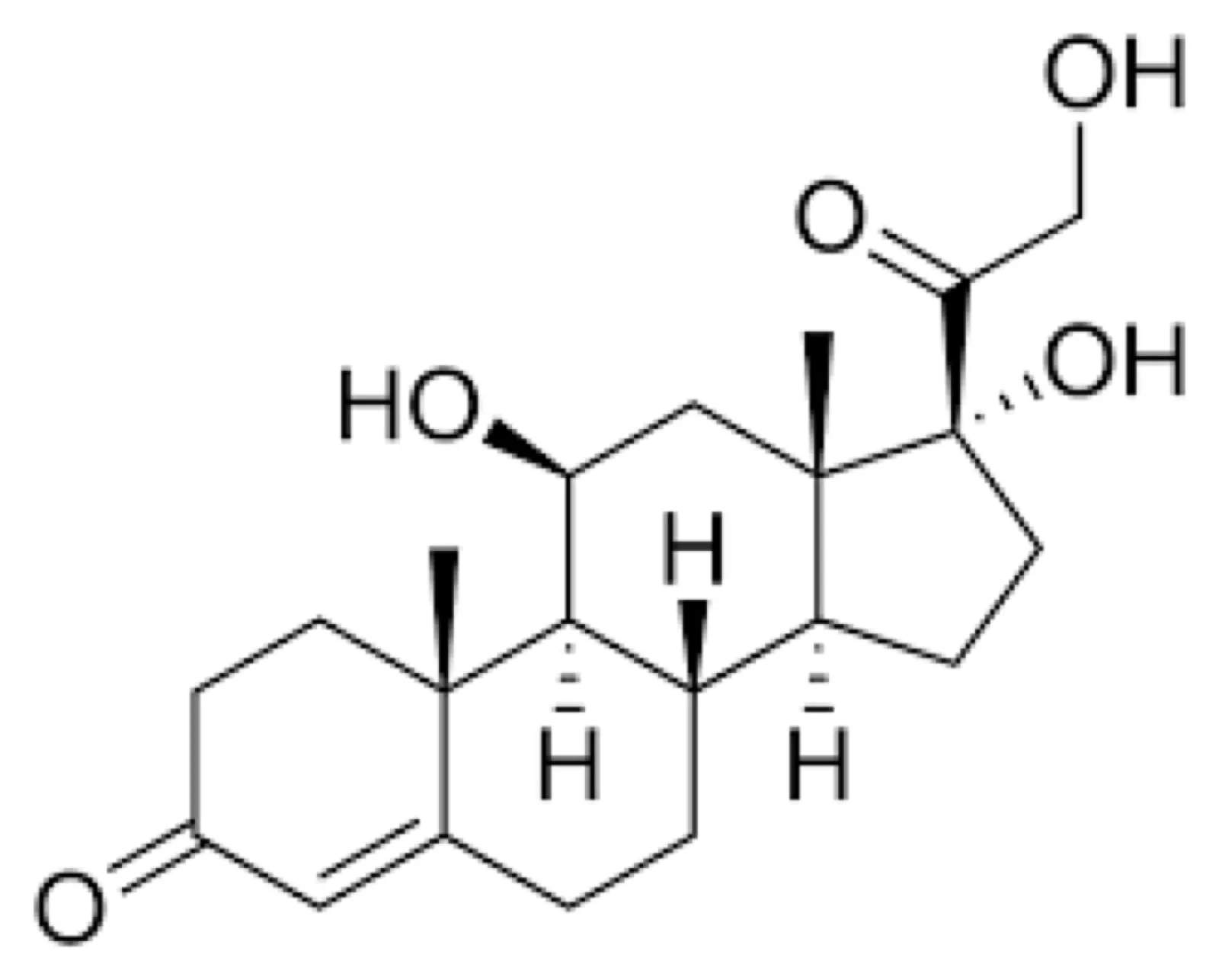
Cortisol: the stress manager
Often called the "fight-or-flight hormone," cortisol helps you handle stressful situations. Your levels are highest in the morning (to help you wake up) and lowest at night. It affects everything from your energy levels to your immune system.
Insulin: the blood sugar controller
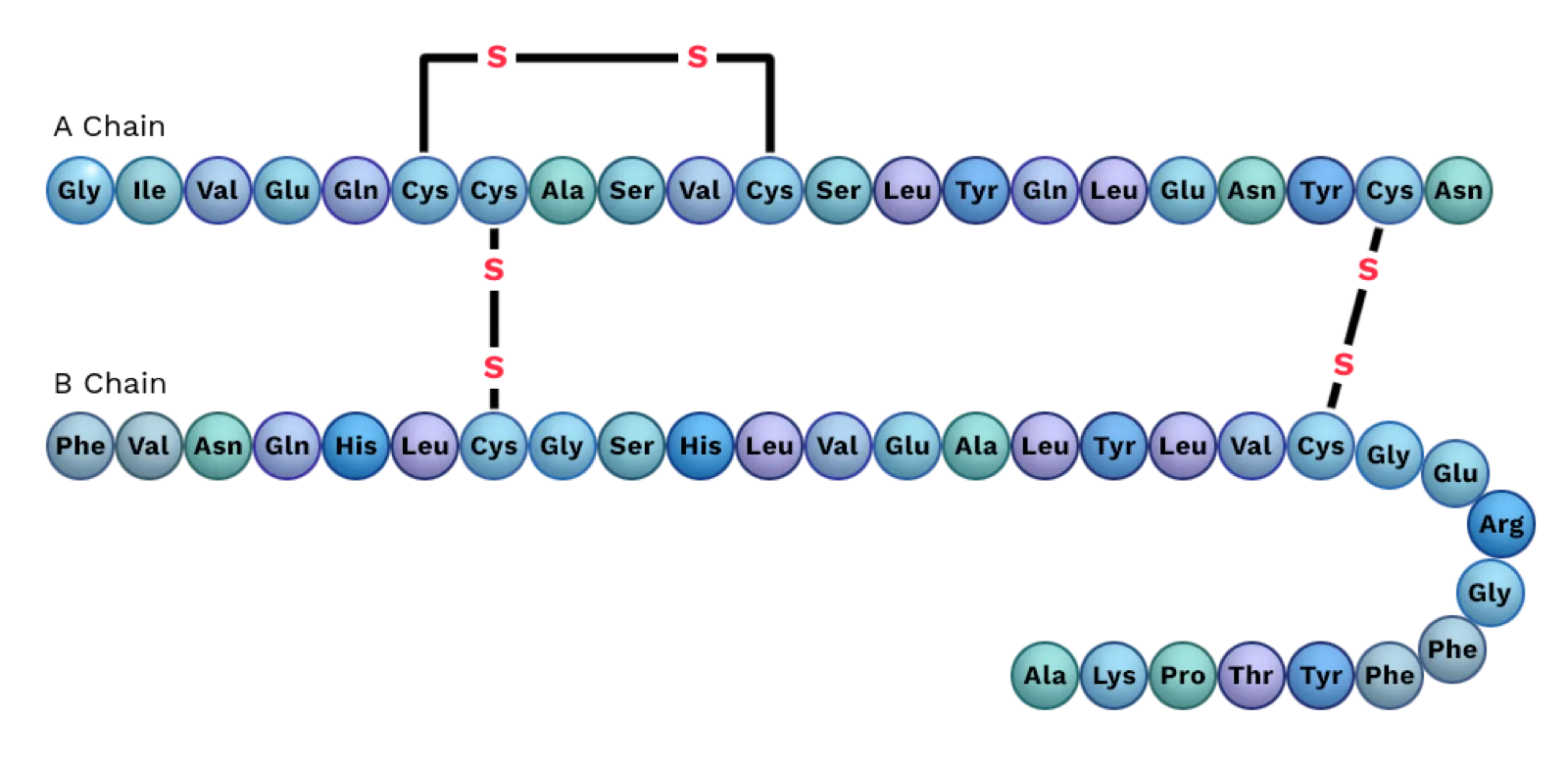
Made by specialised cells in your pancreas called β-cells, insulin helps your body use the sugar from your food. When insulin signalling doesn't work properly, it can lead to diabetes.
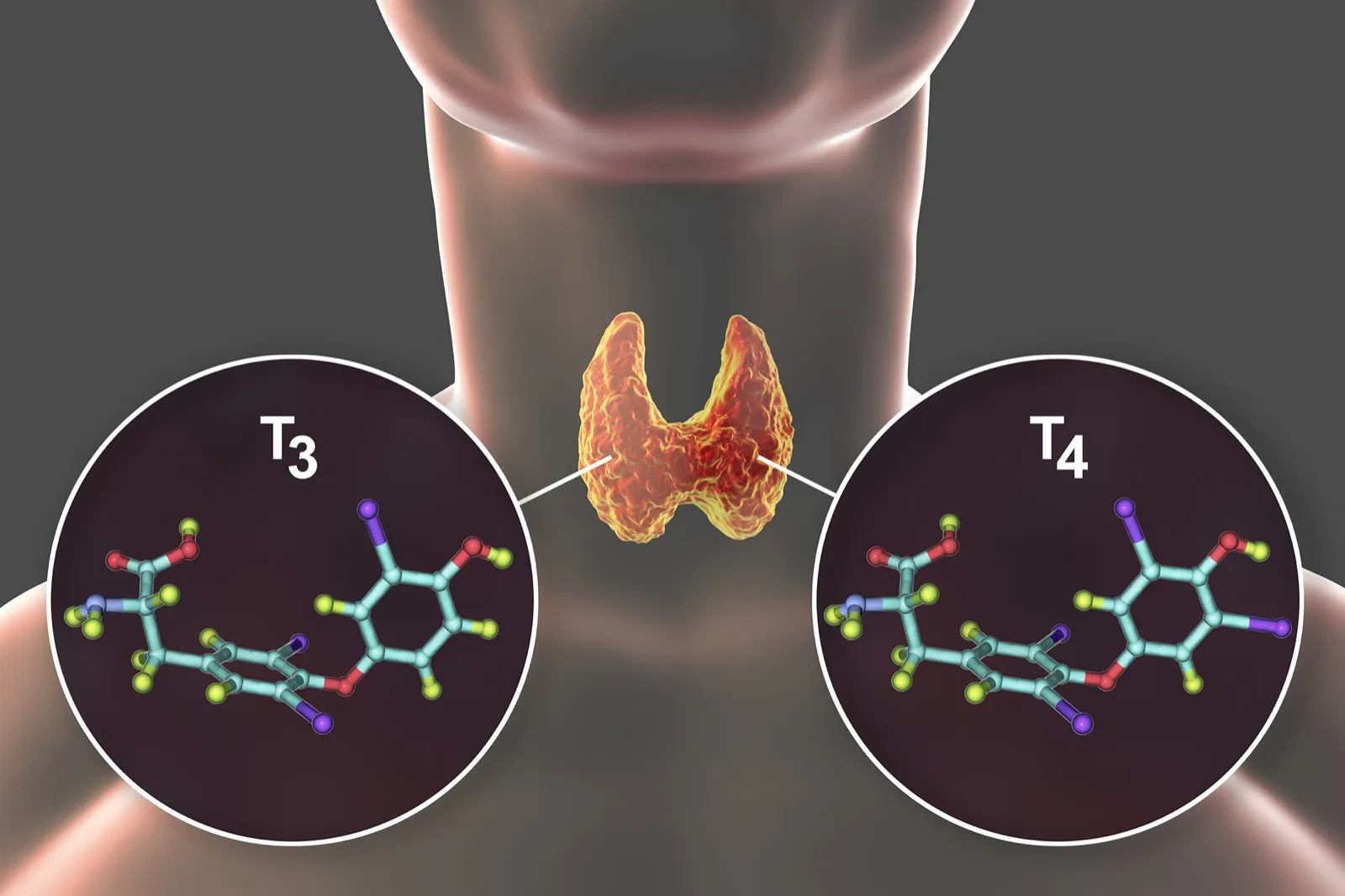
Thyroid hormones (T3 and T4): the metabolism regulators
These hormones control how fast your body burns energy, affecting your weight, energy, body temperature, and mood. Your thyroid makes them using iodine, which is why iodine is added to table salt in many countries.
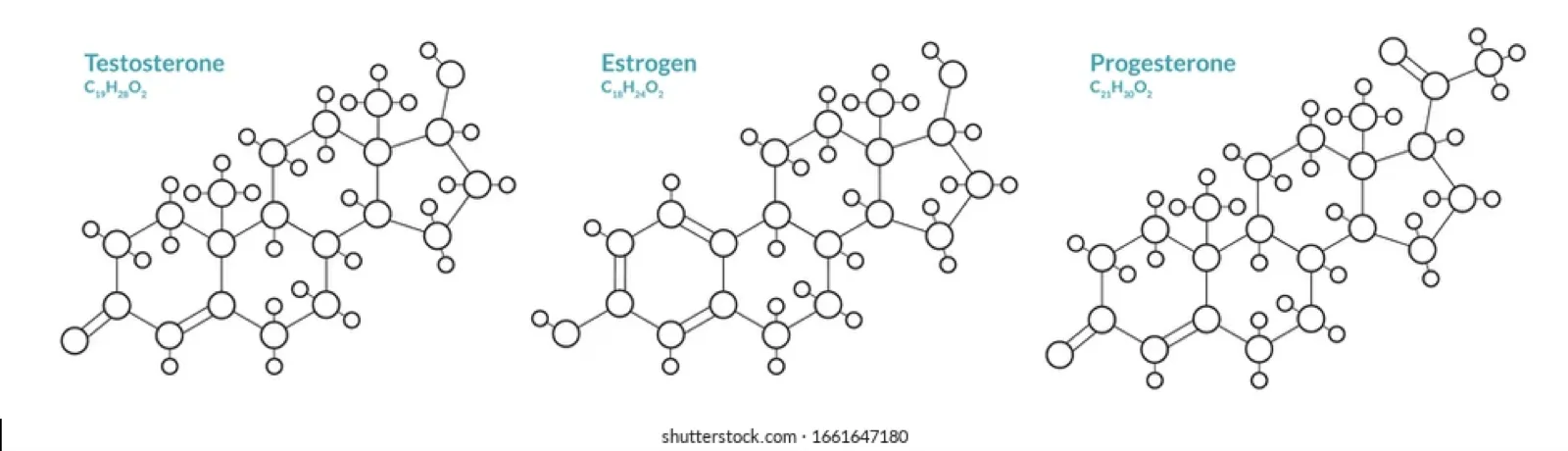
Sex hormones (testosterone, estrogen, progesterone)
These steroid hormones govern sexual development, reproduction, and many other processes. Despite their similar chemical structures, tiny differences make each one unique.
Vitamin D: the sunshine hormone
Technically a hormone despite its name. Your skin produces it when exposed to sunlight. It's crucial for bone health, immune function, and much more.

How hormones are made
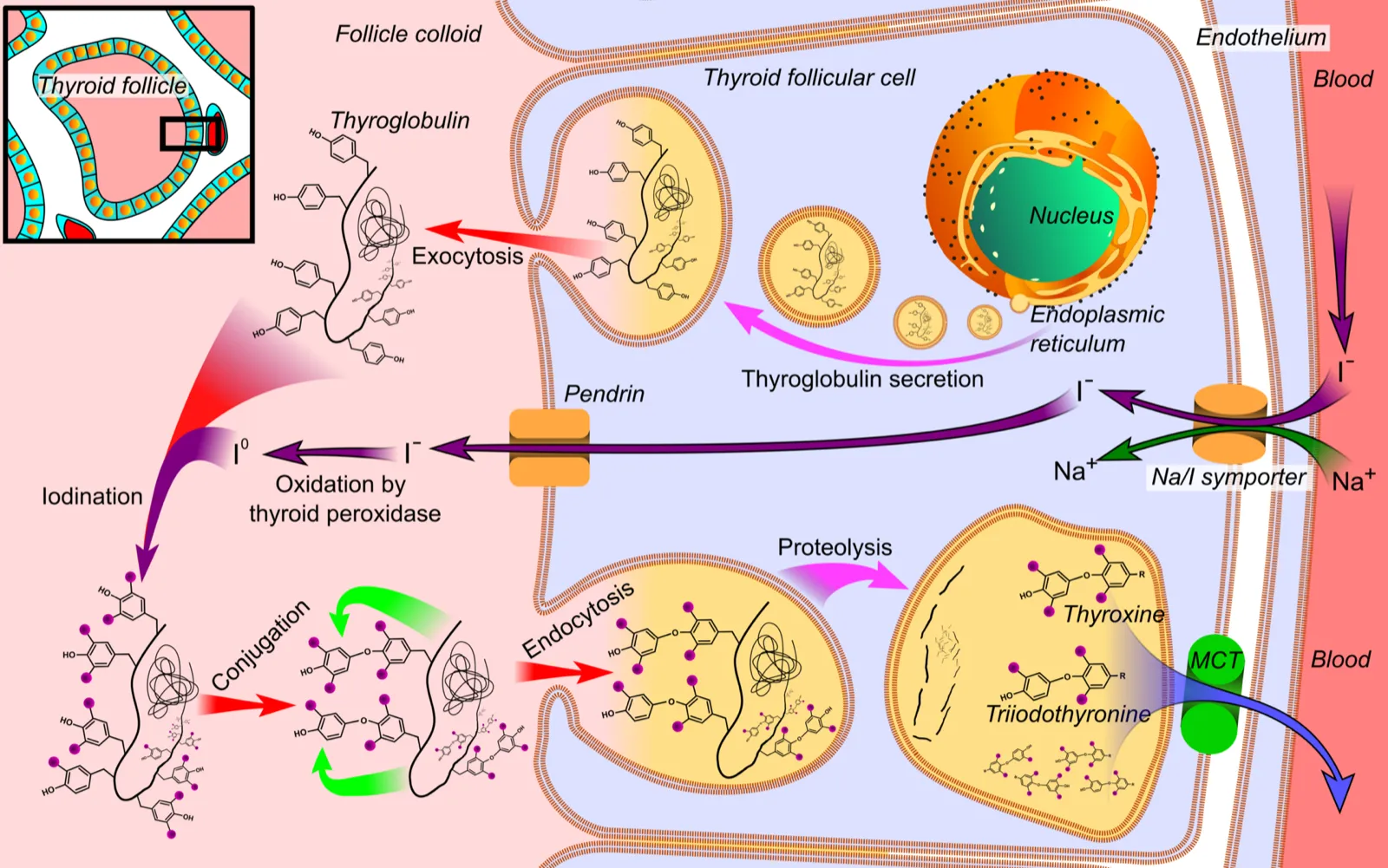
Some hormones, like insulin, are proteins built the same way your body makes any protein, from a DNA recipe copied to RNA and assembled by cellular machinery. Many others, including cortisol and the sex hormones, are built from cholesterol, modified through chemical reactions like a sculptor carving different statues from the same block of marble. Thyroid hormones are made through a unique process where the thyroid captures iodine and attaches it to the amino acid tyrosine.
The journey: how hormones travel
Once released, hormones travel through your bloodstream. Some float freely, while others need special transport proteins (like a taxi service). Your body also has clever shortcuts: the hypothalamus and pituitary are connected by a direct "portal vein," and inside the adrenal gland, blood flows from the cortisol-making layer straight to the adrenaline-making layer, which is why a cortisol spike comes with an adrenaline rush.
Finding the target: hormone receptors
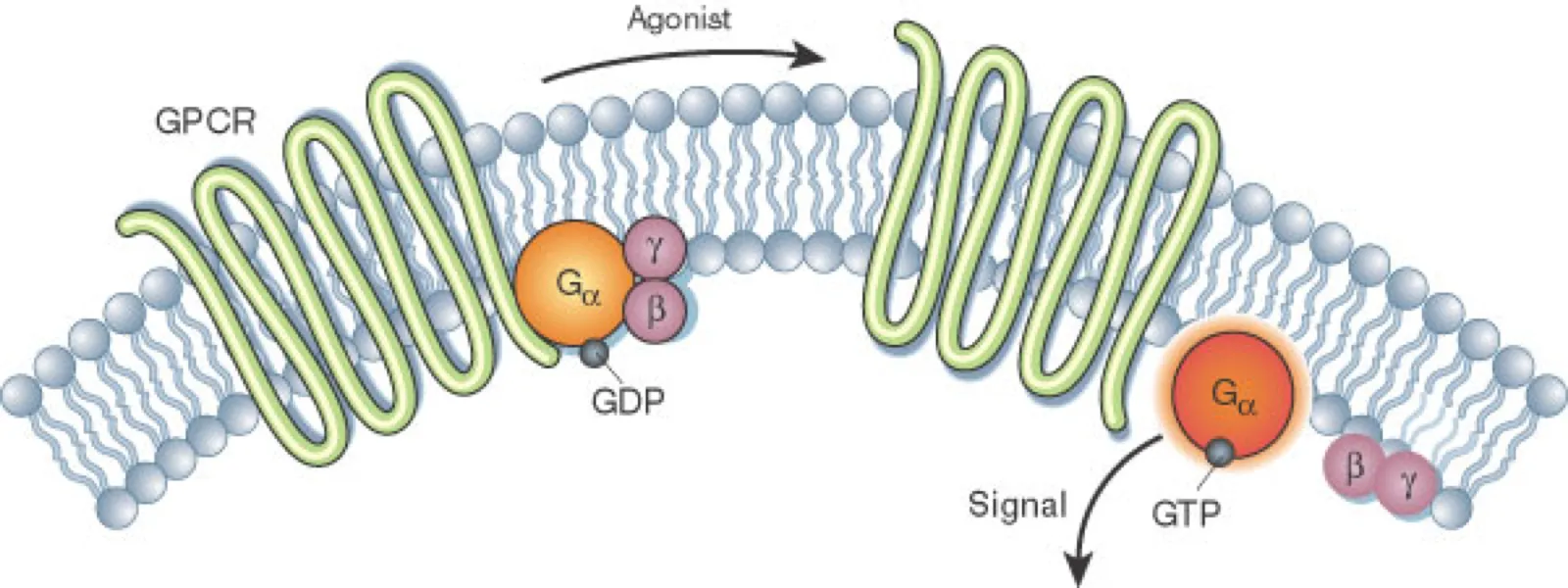
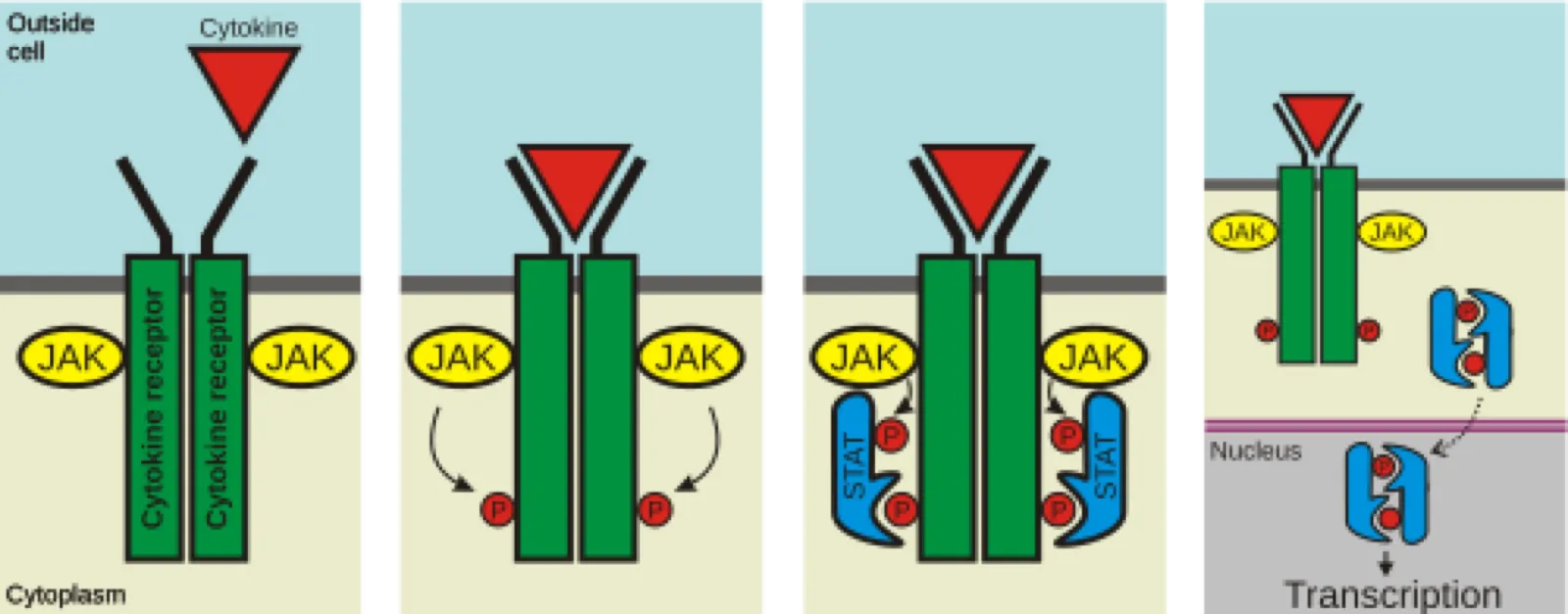
Hormones only work when they find their specific receptor, like a key finding its lock. There are four main types: G-protein-coupled receptors (used by adrenaline and many others), nuclear receptors (used by steroid hormones like estrogen and testosterone, which affect which genes are turned on or off), cytokine receptors (used by growth hormone), and enzyme receptors (the insulin receptor being the main example).
Turning off the signal
Just as important as sending a signal is knowing when to stop it. Your kidneys filter many hormones out of the blood, your liver modifies them so they can be eliminated more easily, and some receptors get recycled and broken down after they've done their job.
The cascade effect and feedback loops
Hormone systems amplify signals: your brain detects stress, releases a tiny amount of CRH, which triggers ACTH, which triggers a large release of cortisol, a whisper that becomes a shout. To stay balanced, your body uses negative feedback loops, much like a thermostat that turns off the heater once the room is warm enough.
Key takeaways for your health
Understanding hormones helps explain many aspects of health:
- Morning grogginess? Your cortisol might not be peaking at the right time
- Energy crashes after meals? Could be related to insulin sensitivity
- Feeling cold all the time? Might be thyroid-related
- Mood changes? Multiple hormones influence how you feel
- Not sleeping well? Melatonin, cortisol, and other hormones regulate your sleep-wake cycle
In conclusion
Your hormones are sophisticated chemical messengers that coordinate countless processes every second of every day. They travel through your bloodstream like messages in bottles, find their targets, trigger precise responses, and get cleared away when their job is done.
Remember: hormones aren't just about reproduction or stress. They're fundamental controllers of metabolism, growth, sleep, mood, immunity, and virtually every other process that keeps you alive and healthy.
At Asele, we believe that understanding your body's biochemistry empowers you to make better health decisions. Knowledge is the first step toward optimal wellbeing.
← Back to The Journal