Understanding AI: Revolutionizing Women's Health and Wellness
How AI is transforming women's health, from personalized tracking to early detection and mental health support.
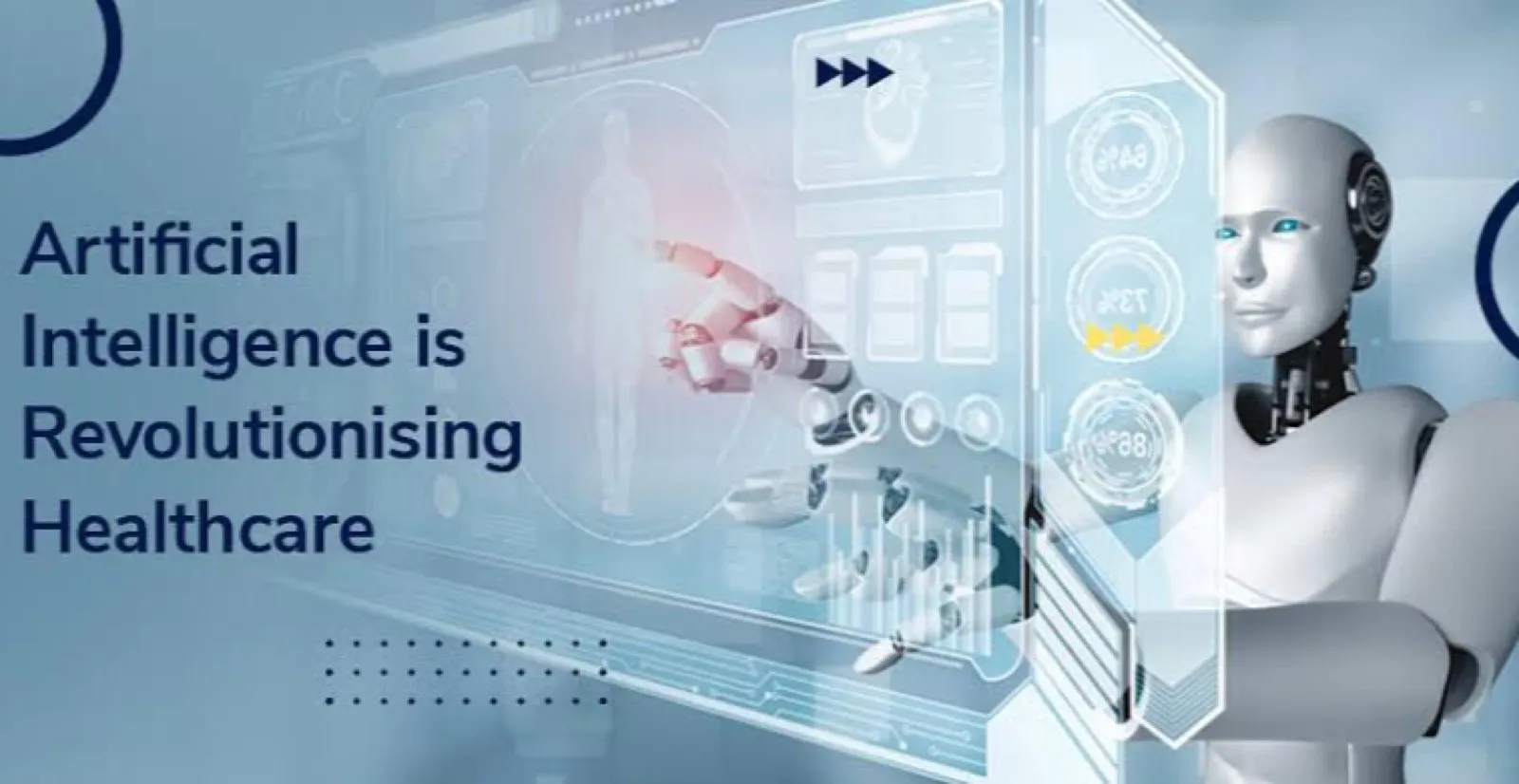
What is AI?
Before we delve into its applications in women's health, let's demystify AI. At its core, Artificial Intelligence refers to computer systems designed to perform tasks that typically require human intelligence: learning from experience, recognizing patterns, solving problems, and making decisions.
Imagine having a highly intelligent assistant who never sleeps, can process vast amounts of information in seconds, and learns from every interaction. That's essentially what AI does, but in the digital realm. It's not about replacing human expertise; it's about enhancing and supporting it.
The AI revolution in women's health
1. Personalized health tracking
AI excels at processing and analyzing large amounts of data, making it perfect for personalized health tracking. Asele's app uses AI to monitor various aspects of a woman's health, from menstrual cycles to sleep patterns and nutrition, identifying patterns that might not be immediately apparent, and allowing women to make more informed decisions.
2. Early detection and risk assessment
One of the most promising applications is the ability to detect potential health issues early. By analyzing user-provided data and comparing it with vast medical databases, AI can flag potential risks and suggest preventive measures or recommend a consultation. Early detection often leads to better outcomes and can be life-saving.
3. Mental health support
The app incorporates an AI-driven mental health module that offers personalized support, detecting changes in mood patterns through interactions and journal entries, and suggesting coping strategies or professional help when needed, a 24/7 support system that breaks down barriers to seeking help.
4. Nutrition and fitness guidance
Asele's app uses AI to create personalized nutrition and fitness plans, considering factors like age, health goals, dietary restrictions, and even genetic predispositions, making it easier to adopt and maintain healthy habits.
5. Reproductive health management
AI supports reproductive health from family planning to pregnancy and beyond: fertility tracking with AI-powered ovulation predictions, pregnancy monitoring with personalized advice, and menopause management with symptom tracking and tailored recommendations.
6. Virtual health assistants
The app includes an AI health assistant that can answer questions, explain medical terms, and offer general health advice, giving women immediate access to reliable health information and reducing anxiety.
The future of AI in women's health
As AI advances, we can expect predictive analytics that flag health issues before they occur, deeper integration with wearable devices, and personalized medicine tailored to individual genetic profiles.
Embracing AI for better health
The integration of AI into women's health represents a significant step forward in personalized healthcare. It's important to remember that while AI is a powerful tool, it's not a replacement for professional medical advice, always consult healthcare providers for serious concerns, and use AI as a complementary tool in your health journey.
← Back to The Journal