PCOS in African Women: Signs, Symptoms, and Management Tips
The signs, diagnosis, and treatment of PCOS in African women, and why it so often goes undiagnosed.
Polycystic Ovary Syndrome impacts approximately 6–13% of women globally, yet many African women remain undiagnosed for extended periods.
What exactly is PCOS?
PCOS represents a hormonal condition affecting ovarian function. Despite its name, not all individuals with this syndrome develop ovarian cysts. The disorder involves elevated androgen levels and frequently insulin resistance, creating multiple symptoms beyond menstrual irregularities.
Recognizing PCOS symptoms
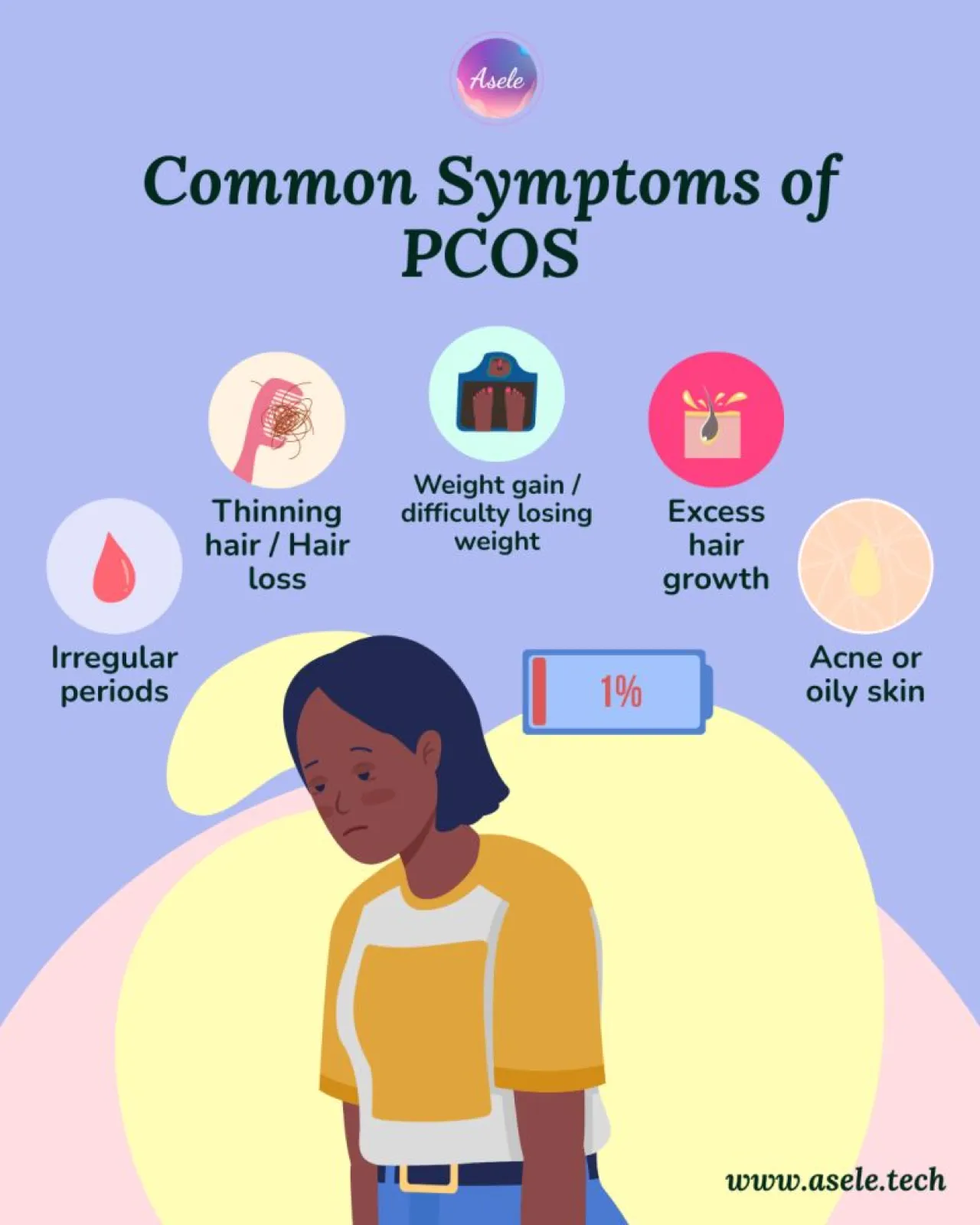
- Menstrual irregularities: fewer than 8 periods per year, cycles exceeding 35 days, or absent menstruation. Some individuals have minimal bleeding or prolonged, heavy periods.
- Physical signs: excessive facial or body hair growth, male-pattern baldness, severe acne along the jawline, and darkened skin patches in the neck, armpit, or groin areas.
- Metabolic symptoms: weight gain concentrated around the abdomen, intense food cravings, fatigue episodes, and elevated diabetes risk.
- Emotional impacts: depression and anxiety frequently accompany this syndrome, related to hormonal fluctuations and symptom-management stress.
Monitoring these symptoms using tracking applications helps healthcare providers recognize the complete symptom spectrum, as many physicians remain unaware of PCOS's full presentation.
Why PCOS often goes undiagnosed in African women
Historical research has concentrated on Caucasian populations, creating diagnostic gaps for African women. Symptom presentations vary; hirsutism may appear less obvious, while metabolic issues might predominate. Healthcare providers sometimes dismiss menstrual irregularities as normal variation rather than investigating underlying causes, delaying crucial diagnoses.
Getting a proper diagnosis
No single test confirms PCOS. Diagnosis typically requires fulfilling 2 of these 3 criteria: irregular or absent ovulation, elevated androgen levels, or polycystic ovaries visible on ultrasound. Physicians should eliminate other conditions mimicking PCOS symptoms, including thyroid disorders.
Documentation of cycle patterns, symptom frequency, and severity through tracking applications provides healthcare providers with comprehensive data reflecting your experience.
Managing PCOS naturally
- Dietary approaches: low glycemic index nutrition addresses insulin resistance. Emphasize whole foods, lean proteins, healthy fats, and complex carbohydrates while minimizing processed items and added sugars.
- Exercise benefits: consistent physical activity enhances insulin sensitivity and may normalize menstrual cycles. Both cardio and strength training are beneficial.
- Stress management: ongoing stress intensifies PCOS symptoms. Incorporate meditation, breathing exercises, or yoga.
- Sleep quality: poor sleep disrupts already-imbalanced hormones. Target 7–9 nightly sleep hours.
Medical treatment options
- Hormonal birth control: regulates menstrual cycles and reduces androgens, improving acne and excess hair.
- Metformin: this diabetes medication helps with insulin resistance and can improve ovulation and weight management.
- Fertility treatments: medications like Clomid or letrozole stimulate ovulation for conception attempts.
- Symptom-specific treatments: spironolactone addresses excess hair growth, plus topical acne treatments and other targeted therapies.
PCOS and long-term health
This syndrome increases risks for type 2 diabetes, cardiovascular disease, and endometrial cancer. Consistent monitoring and active management remain essential, including blood glucose and cholesterol evaluations, blood pressure assessment, and mental health support when appropriate.
Living well with PCOS
PCOS proves manageable through appropriate strategies. Numerous women with this condition maintain healthy, satisfying lives and successfully conceive when desired. Connect with other women navigating PCOS through online communities, track how lifestyle adjustments influence your symptoms, and advocate for yourself, seeking alternative medical opinions when providers dismiss concerns. Quality care and treatment represent your right.
With appropriate diagnosis and intervention, you can manage PCOS proactively rather than allowing it to govern your life.
← Back to The Journal