Iron-Rich Foods for Heavy Periods, With West African Options
Heavy or long periods can quietly drain your iron and leave you tired, foggy and breathless. Here is what iron does, why menstruating women are more at risk, and which real West African foods actually help.
TL;DR: Heavy or long periods can lower your iron and leave you tired, foggy, and breathless. Liver, red meat, dark leafy greens, beans, and egusi help, and pairing them with vitamin C boosts absorption while tea and coffee with meals reduce it. If bleeding is heavy or symptoms persist, see a clinician for a blood test.
If your periods are heavy or long, you might notice you feel wiped out in a way that does not match how much you slept. Tired in the afternoons, foggy at your desk, out of breath climbing stairs you used to take without thinking. It is easy to blame stress or a busy week. But there is a physical thread running through all of it, and it often comes down to iron. Every period you lose blood, and blood carries iron. When the loss is heavy month after month, your body can slowly run low, and the tiredness is the first thing you feel.
What iron is actually doing in your body
Iron is not just a mineral on a supplement label. Your body uses it to build haemoglobin, the part of your red blood cells that carries oxygen from your lungs to everywhere else, your muscles, your brain, your heart. When iron runs low, you make fewer healthy red blood cells, and less oxygen reaches where it needs to go. That is why low iron shows up as tiredness, breathlessness, a racing heart, pale skin, brittle nails, cold hands, and that thick-headed feeling where you read the same sentence three times. It is not in your head. Your cells are genuinely getting less oxygen. We go deeper on how this shows up in iron deficiency anaemia in women.
Why menstruating women are more at risk
Bleeding is the most common way the body loses iron, so anyone who menstruates is already spending iron every month that others are not. If your flow is heavy, if you are soaking through pads or tampons quickly, passing large clots, or bleeding for more than about seven days, the loss adds up faster than your diet may be replacing it. If that sounds like you, it is worth understanding what causes heavy periods and what can help. This is not rare. The World Health Organization estimates that more than 30 percent of women of reproductive age worldwide are anaemic, and iron deficiency is the most common cause. Pregnancy, breastfeeding and closely spaced births stretch iron stores further. So this is not a fringe problem, it is one of the most common nutritional gaps in women globally, and African women carry a real share of it.
The foods that genuinely help, starting with what is on your plate
Here is where most articles go wrong, telling you to eat salmon and quinoa as if that is what sits in your kitchen. Let us talk about real food.
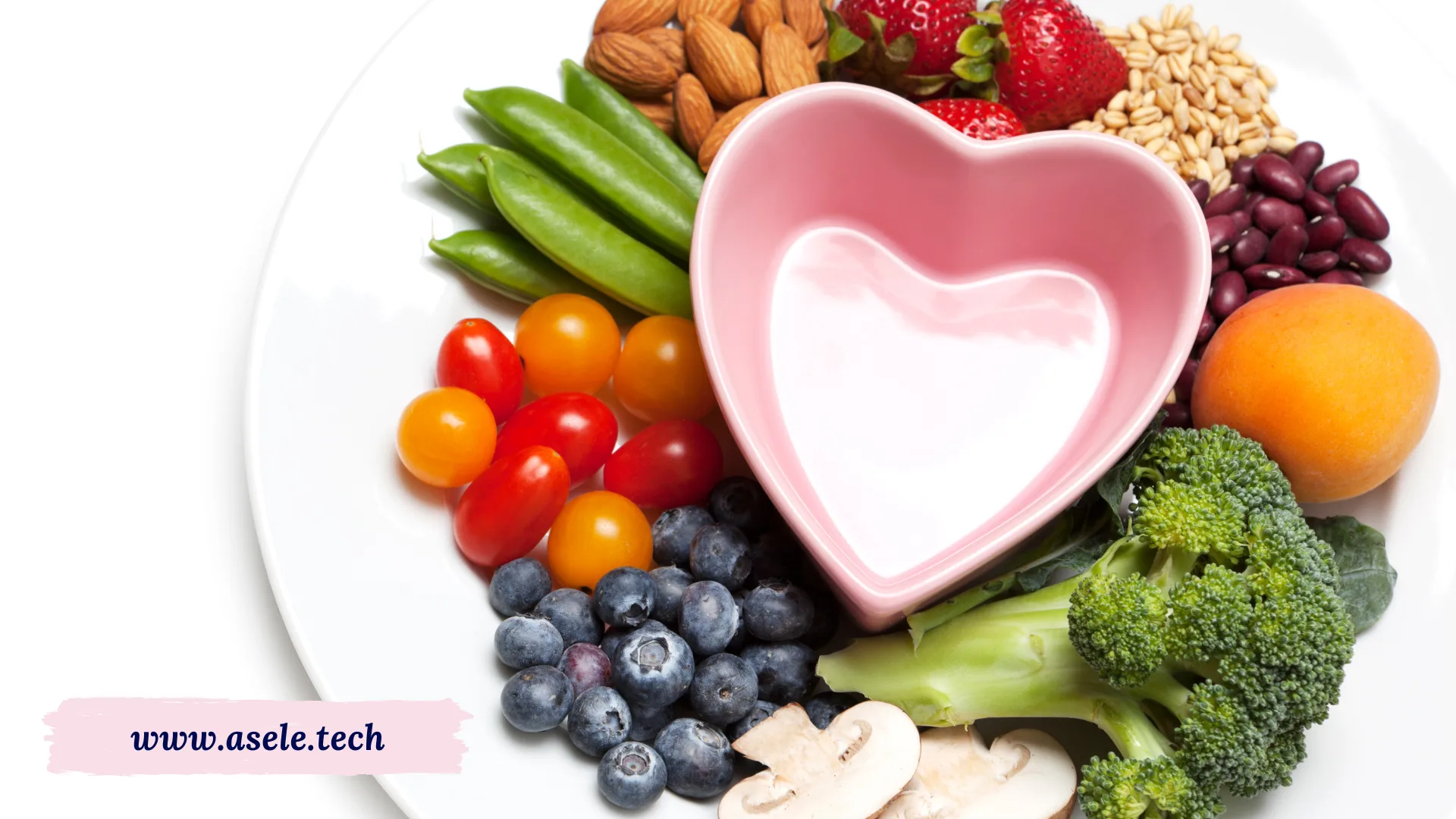
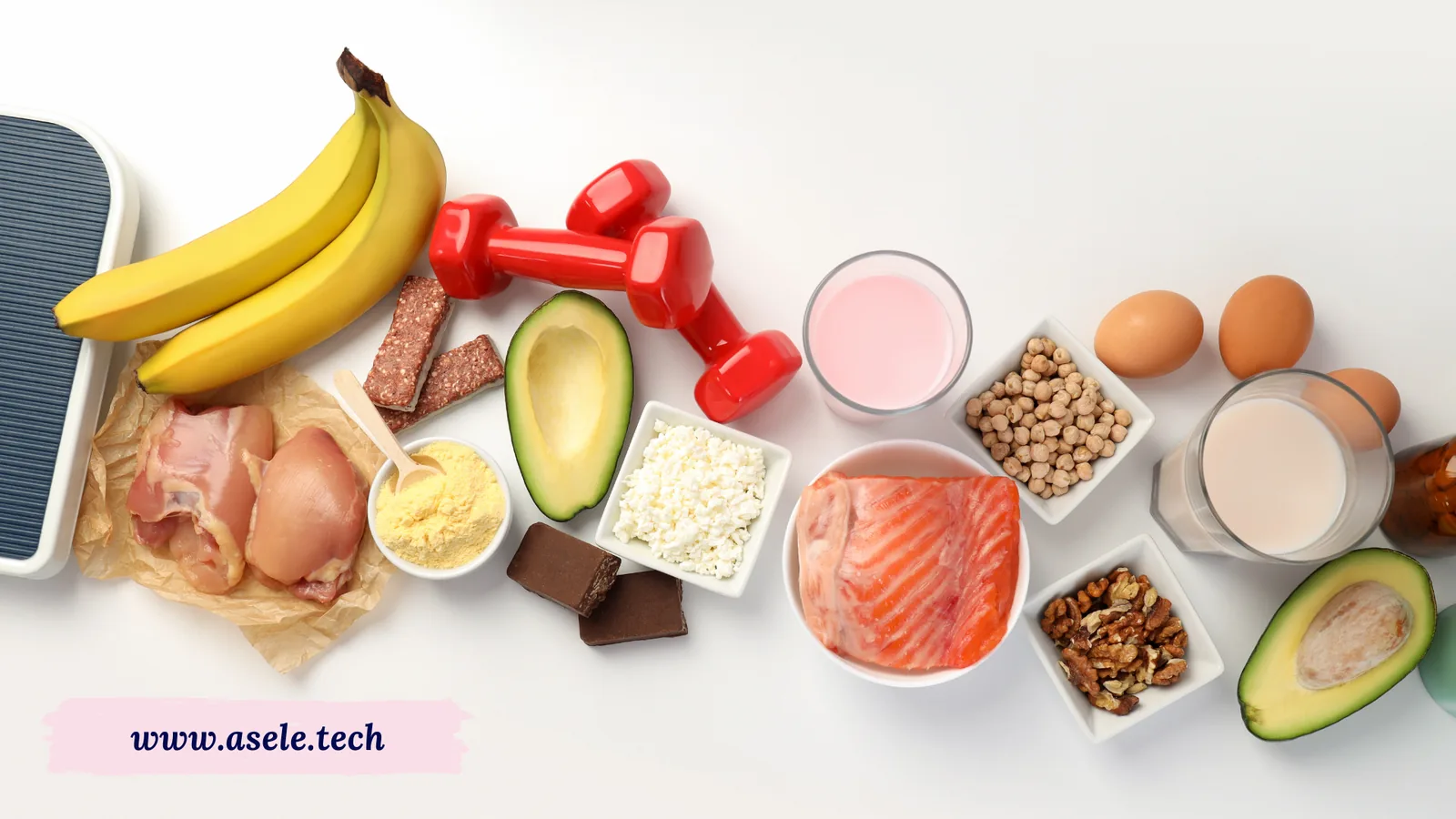
The strongest source is the iron in animal foods, called haem iron, because your body absorbs it far more easily than the iron in plants. Liver is exceptional here, beef or chicken liver is one of the richest iron foods there is, and organ meats like kidney and gizzard count too. Red meat, beef in particular, is a solid everyday source. If you eat these even once or twice a week, you are doing your iron stores a real favour.
Then there are the dark leafy greens that already run through West African cooking. Ugu, the pumpkin leaf, ewedu, soko, and bitterleaf or onugbu are all good plant sources of iron, and they carry folate too, which your body also uses to build blood. The iron in plants, called non-haem iron, is absorbed less easily on its own, but there is a simple fix coming below.
Beans and their dishes are quietly valuable. Moin moin and akara, both made from beans, along with regular beans and cowpeas, bring iron alongside protein. Egusi, the melon seed used in soup, adds iron and healthy fats. Groundnuts and groundnut soup contribute as well. For lighter touches, dates are a sweet source of iron, and many maize and wheat flours are fortified with iron now, so fortified pap, cereal and bread add small amounts that stack up over a week.
The pairing trick that doubles your effort, and the one that undoes it
This is the part worth remembering. Vitamin C sharply improves how much plant iron your body absorbs. So the citrus, fresh tomato, and pepper you may already cook with are doing more than adding flavour. Squeeze lime or orange near a meal, cook your ewedu or beans with plenty of fresh tomato and pepper, add a side of oranges or guava, and the iron in that meal becomes far more available to your body. Pairing your greens and beans with a little meat helps too, since haem iron lifts the absorption of the plant iron eaten alongside it. This is one small example of how combining foods can unlock more of the nutrients on your plate.
Now the one that works against you. Tea and coffee contain polyphenols that block iron absorption when you drink them with or right after a meal. If you take tea with your food, you may be quietly cancelling out some of the iron on your plate. You do not have to give it up, just move it to between meals, an hour or so apart, and let your food do its job. If cramps are part of your picture too, the way you eat can play a role there as well, which we cover in nutrition and menstrual cramps. We also talked through women's nutrition on the podcast in Blush and Bloom episode 38.
When food is not enough, and that is not a failure
Food is support, not a cure, and it is honest to say so. If your periods are genuinely heavy, or you have the tiredness, breathlessness and fogginess that point to low iron, that is worth a clinician and a blood test, not guesswork. A doctor can check your haemoglobin and your ferritin, the marker of your iron stores, and may advise iron supplements at a dose that fits you, or look into why the bleeding is heavy in the first place. This post is education, not medical advice, and heavy bleeding always deserves a real conversation with someone who can examine you.
What you can do in the meantime is notice your own pattern. This is where Asele fits, quietly. Cycle tracking and symptom logging over a few months show you how heavy your flow really is and how your energy moves with it, so you arrive at that appointment with a record instead of a vague memory. And if you want to know whether a meal is helping your iron, Amara can talk it through with you in your own language, in Yoruba, Hausa, Igbo, Swahili, French or English, adapting to where you are in your cycle. You can find us at Asele. Feeling well starts with understanding what your body is quietly spending, and giving some of it back.
References
- World Health Organization. Anaemia fact sheet. who.int
- NHS. Iron deficiency anaemia. nhs.uk
- NIH Office of Dietary Supplements. Iron: Fact Sheet for Health Professionals. ods.od.nih.gov
← Back to The Journal