Every Period Product Option Explained: Find What Works for Your Body, Budget, and Planet
Pads, tampons, cups, discs, underwear and more, compared on cost, comfort, and eco impact to help you find what fits.
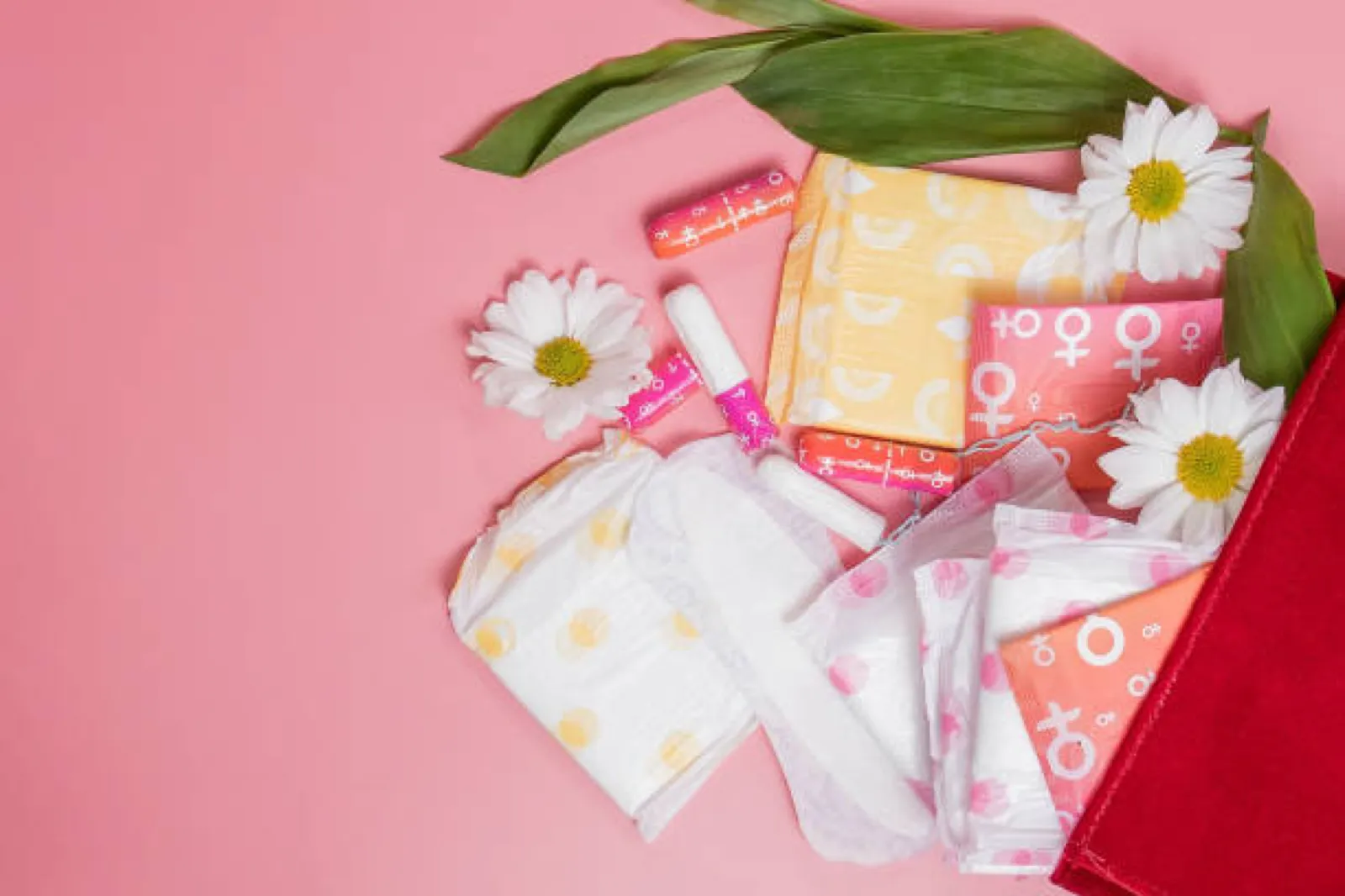
Sister, let's have an honest conversation about period products. For too long, many of us have stuck with whatever our mothers introduced us to, without knowing about all the options available today.
Whether you're looking to save money, reduce your environmental impact, or simply find something more comfortable for your body, this guide covers every period product option out there. Your period product choice is deeply personal, what works for your sister might not work for you, and that's perfectly fine.
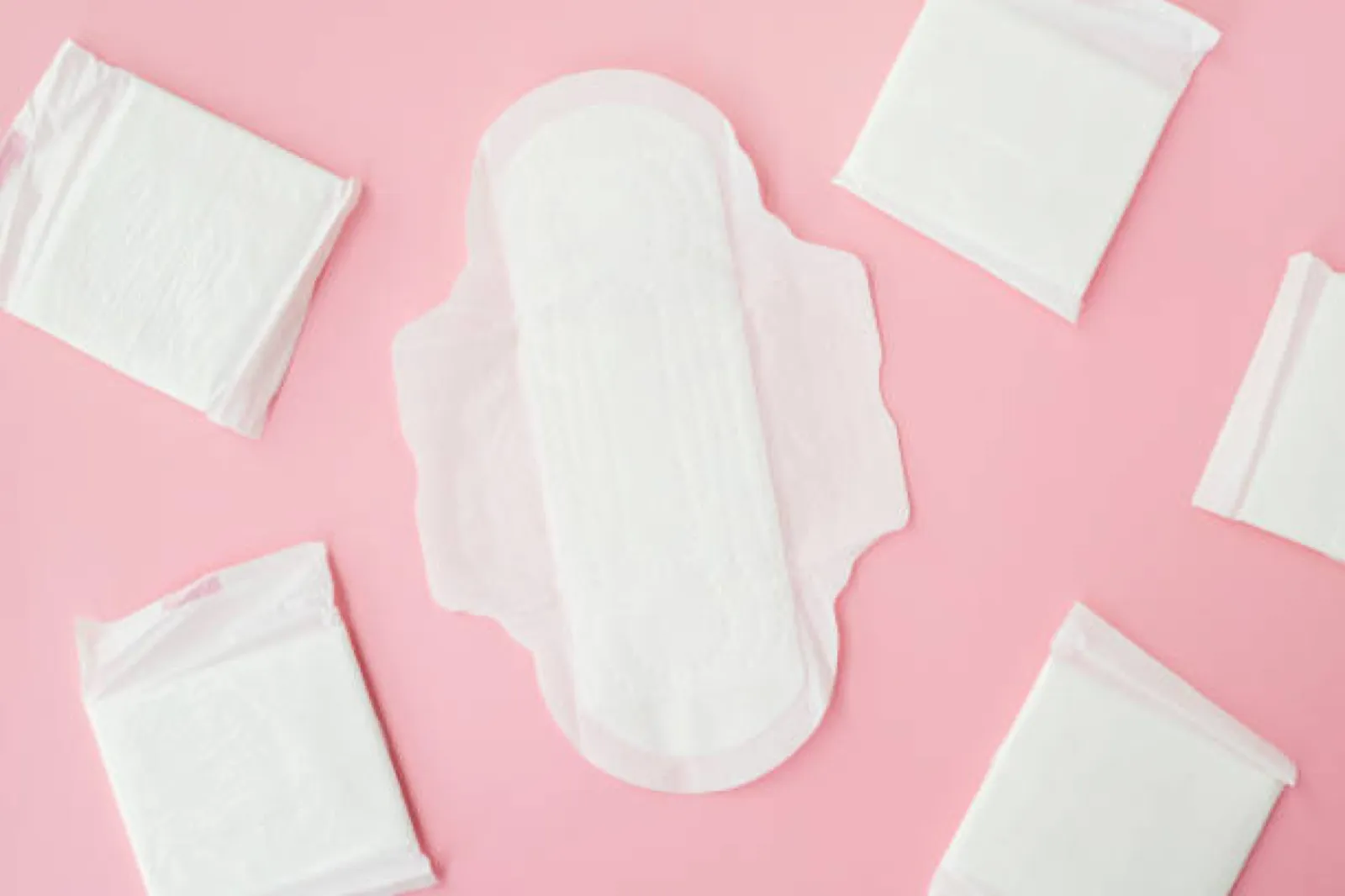
Disposable pads: the familiar choice
External, easy to use, widely available, and good for heavy or overnight days. But they can feel bulky, create waste, and carry an ongoing monthly cost. A single person uses approximately 11,000 period products in their lifetime, most of which end up in landfills.
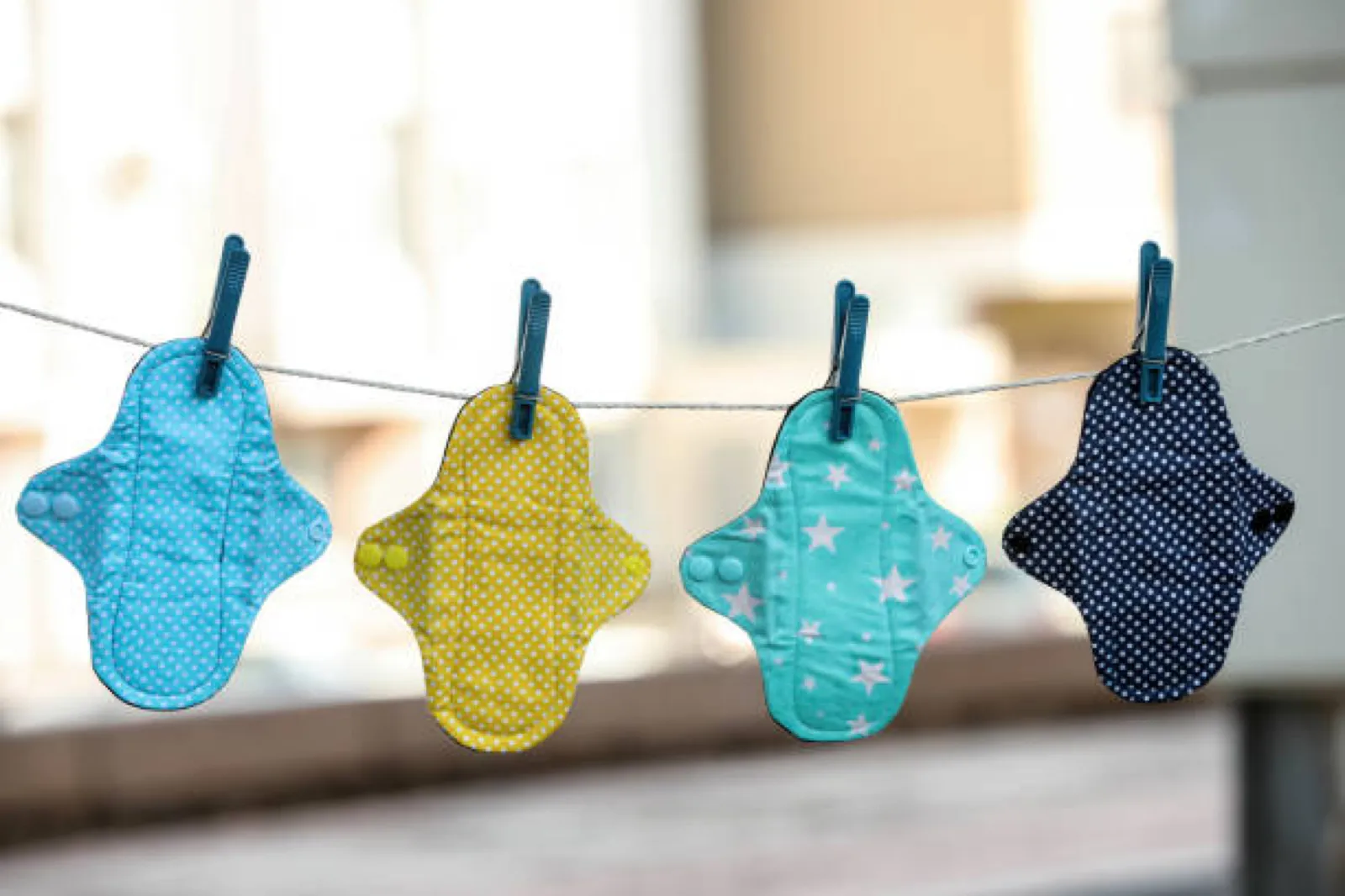
Reusable cloth pads: comfort meets sustainability
Made from natural materials like cotton or bamboo, they're breathable, chemical-free, and cost-effective long term (a set lasts 3–5 years). The trade-offs: washing and drying, a higher upfront cost, and less convenience away from home.
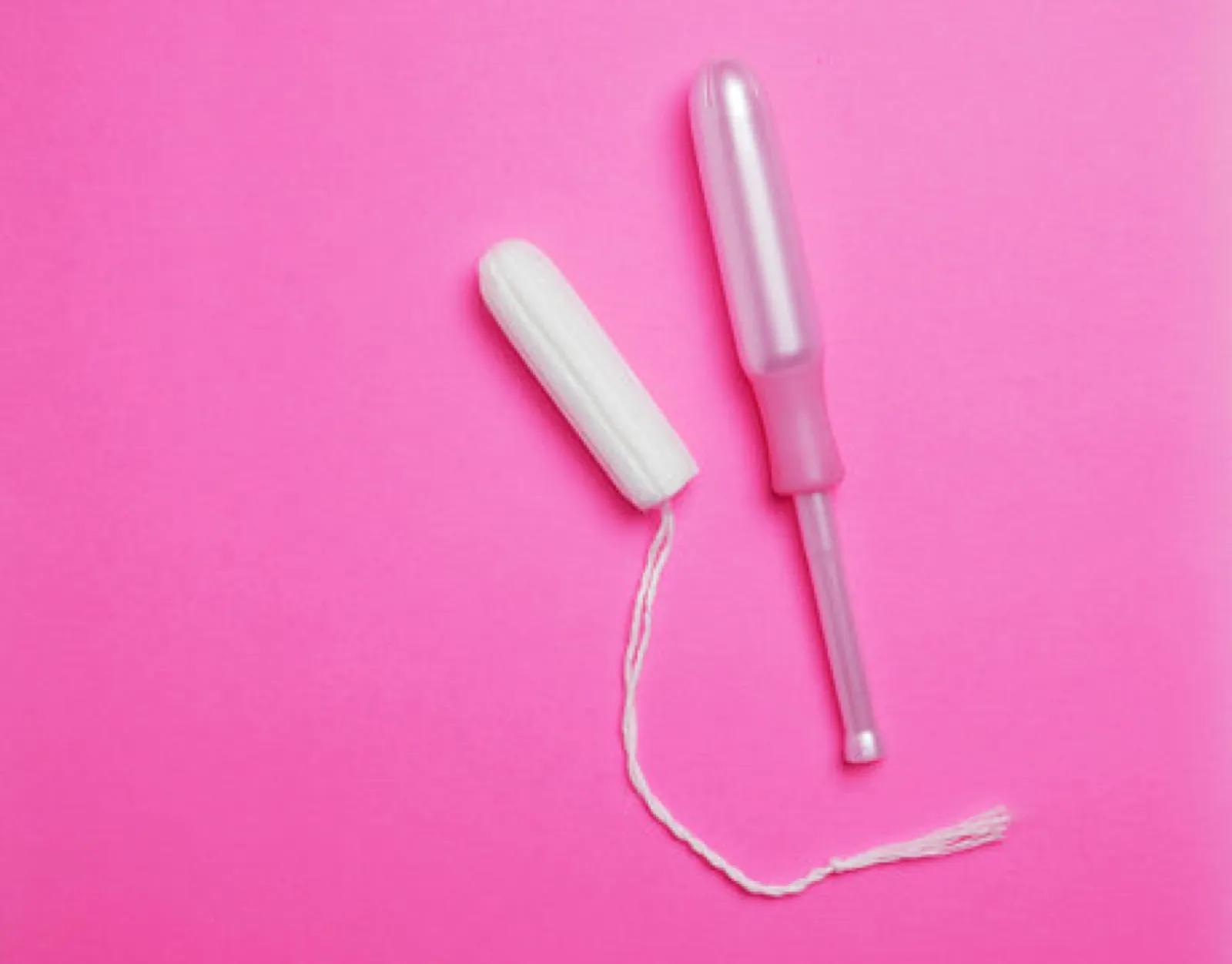
Tampons: internal protection
Invisible under clothing and great for swimming and sports. There's a learning curve for insertion, a TSS risk if left in too long, and an ongoing monthly cost.
Menstrual cups: the game-changer
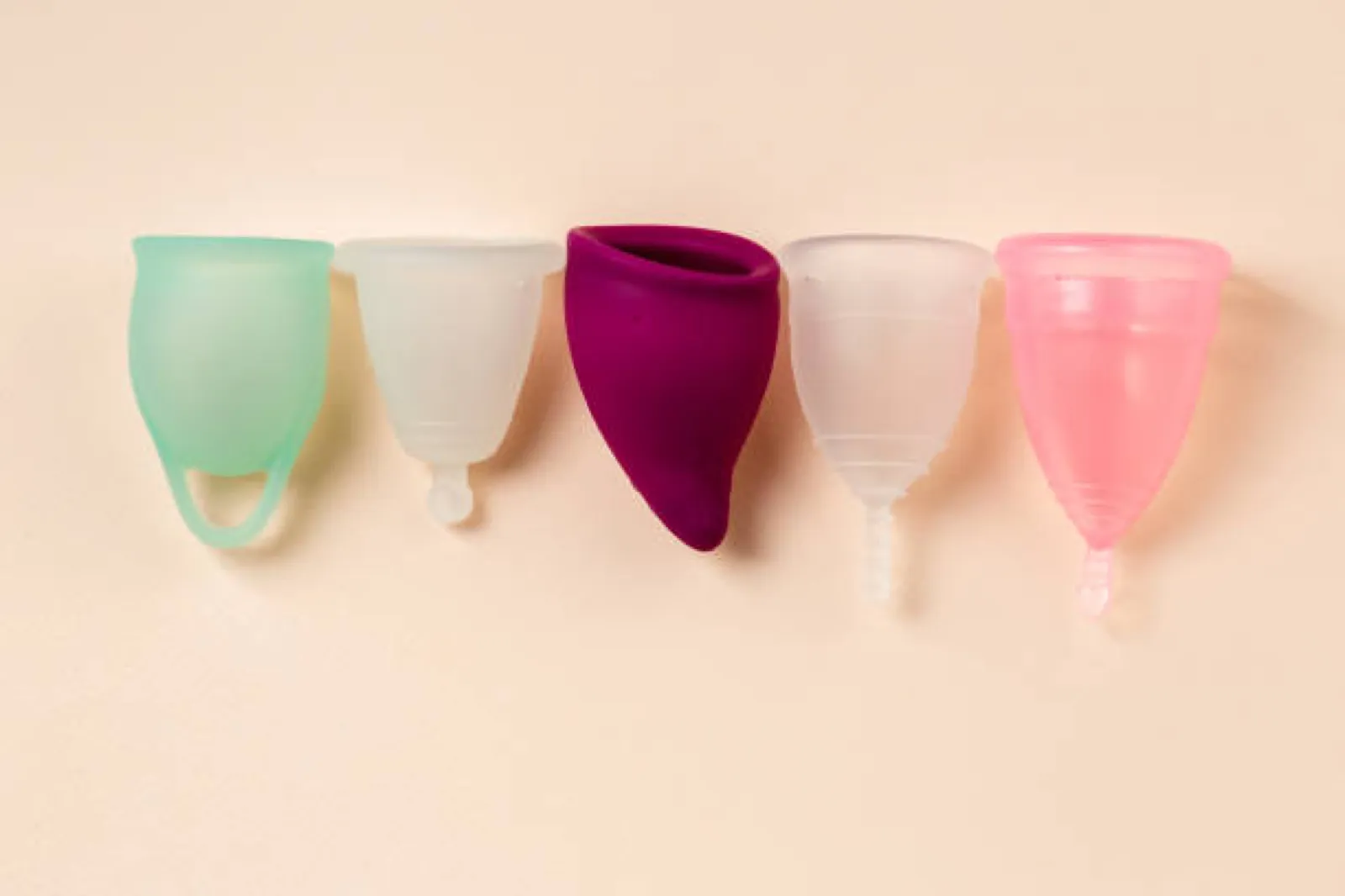
Flexible medical-grade silicone cups that collect rather than absorb. Up to 12 hours of protection, extremely cost-effective, and eco-friendly, one cup can replace over 2,000 tampons or pads and lasts 5–10 years. There's a learning curve for insertion and removal.
Menstrual discs: the flexible alternative
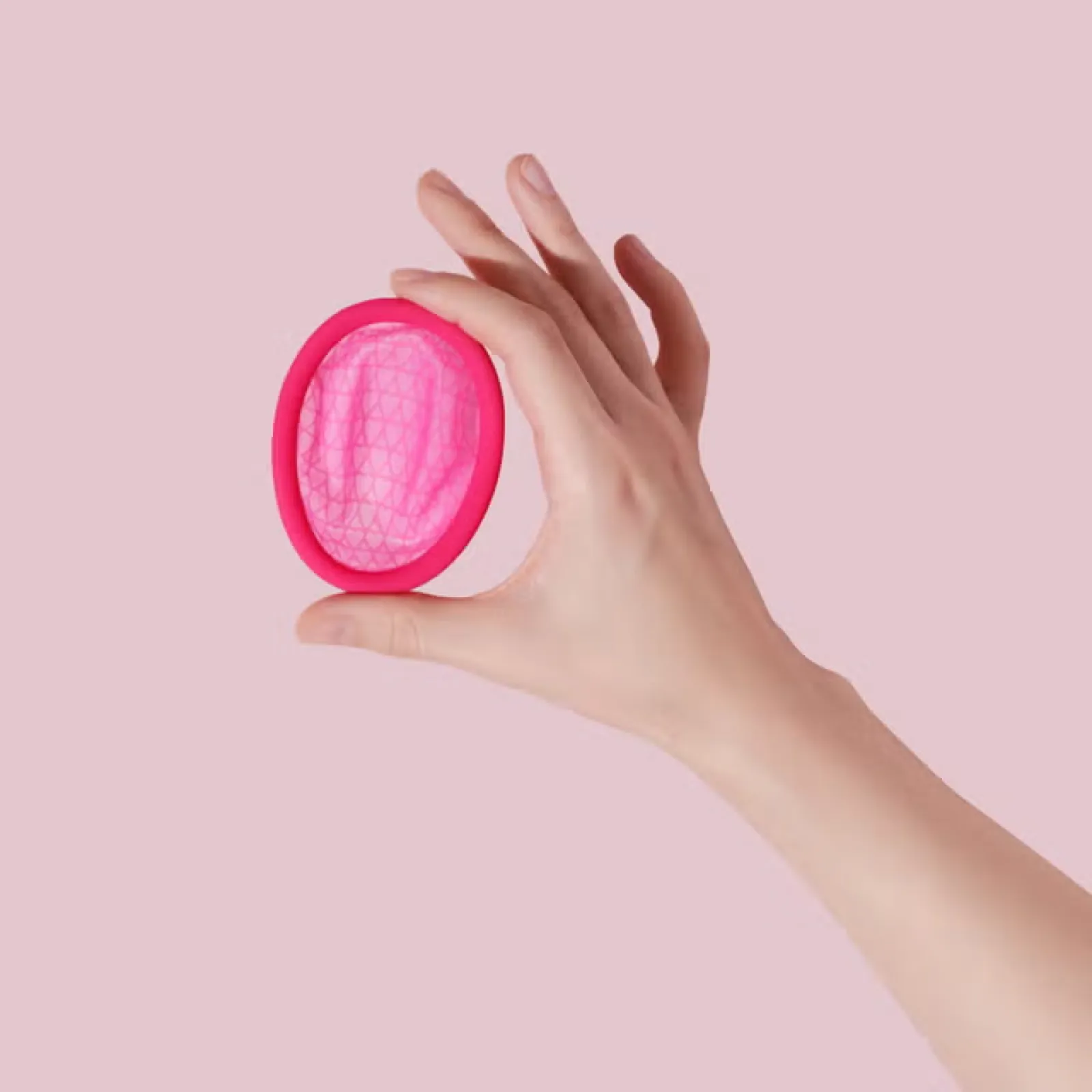
Wider, flatter alternatives that sit differently in the vaginal canal. Some find them easier to insert than cups, they offer 12-hour protection and can be worn during intercourse. Disposable versions create waste; reusable versions have a learning curve.
Period underwear: innovation meets comfort
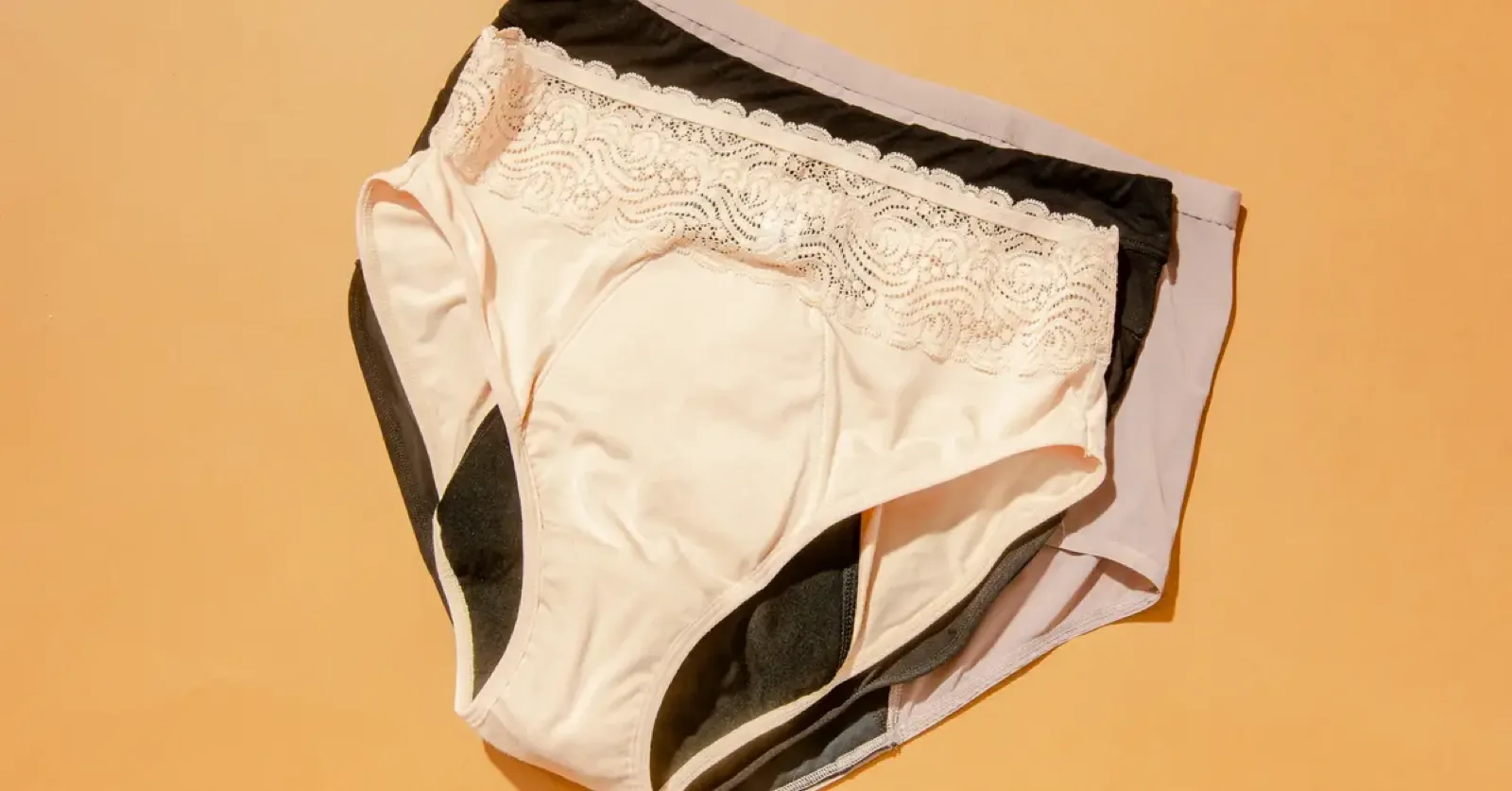
Looks like regular underwear but contains absorbent layers holding 1–4 tampons' worth of blood. No insertion required, comfortable for sleeping, and great for teens still learning their patterns. Higher upfront cost and requires washing; may not be enough alone for heavy days.
Natural sponges: the ancient method
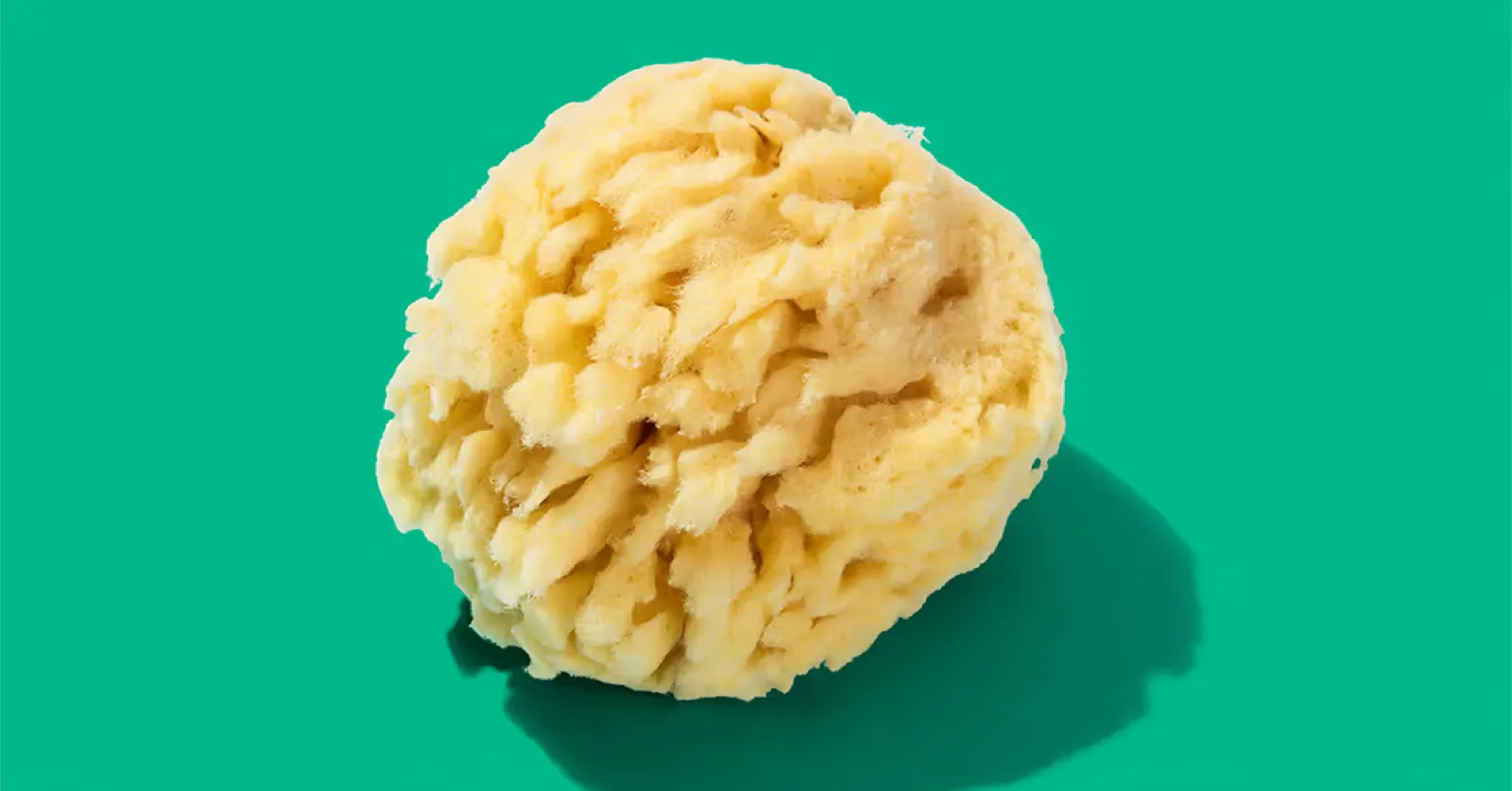
Sea sponges are natural, reusable, and biodegradable, but carry a higher infection risk, require careful cleaning, and aren't regulated by the FDA.
Making your choice
- Heavy flow: menstrual cups or super-absorbent period underwear combined with other protection.
- Sensitive skin: organic cotton pads, cloth pads, or medical-grade silicone cups.
- Active lifestyles: tampons, cups, or discs that won't shift during movement.
- Budget-conscious: cloth pads or menstrual cups offer the best long-term value.
- Environmental impact: cups, cloth pads, or period underwear significantly reduce waste.
- Beginners: pads or period underwear provide external protection without insertion anxiety.
Understand your flow for better choices
Every woman's flow is different. Track your flow patterns, pain levels, and symptoms in Asele for several cycles, this data helps you choose products that match your actual needs rather than guessing. You might discover you need heavy protection for just two days and can use lighter options the rest of your cycle.
Safety considerations for all products
Change products regularly, every 4–8 hours for tampons, every 12 hours maximum for cups, and as needed for external products. Never leave an internal product in for more than 12 hours. Wash your hands before and after handling any menstrual product, store products properly, and pay attention to your body's signals: unusual pain, odor, or irritation might indicate an infection or reaction.
The real numbers
Over a reproductive lifetime, disposable products can cost thousands of dollars, while a menstrual cup costs a fraction of that. Research shows reusable products pay for themselves within 6–12 months, and switching to reusables can cut your period-related waste by over 99%.
Take control of your period experience
The best period product is the one you'll actually use consistently and comfortably. Start by identifying your priorities, cost, comfort, environmental impact, or convenience, and consider trying one new product per cycle rather than overhauling everything at once. Track your experiences in Asele: comfort levels, leakage, ease of use, and overall satisfaction. Finding your perfect routine might take some experimentation, and that's completely normal.
← Back to The Journal