Easing Menstrual Cramps: The Role of Nutrition in Managing Discomfort
How a nutrient-rich, anti-inflammatory diet can help ease menstrual cramps.
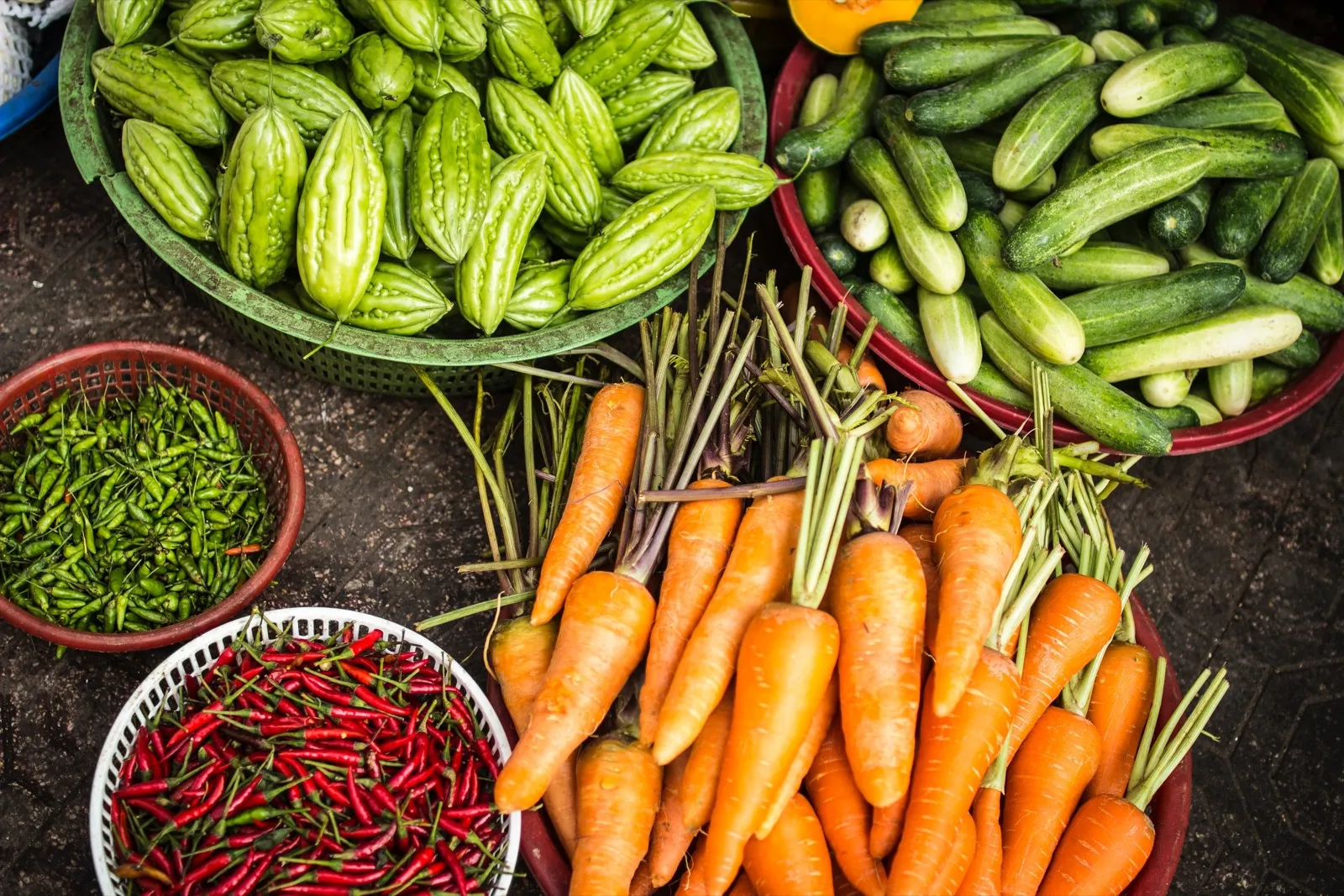
Menstrual cramps, medically known as dysmenorrhea, affect a significant number of women worldwide, often leading to discomfort and disruption in daily activities. While over-the-counter pain relief is commonly used, many are turning to nutrition as a natural way to alleviate these symptoms.
Understanding menstrual cramps
Menstrual cramps occur due to the contraction of the uterus, triggered by hormone-like substances called prostaglandins. Higher levels of prostaglandins are associated with more severe cramps.
The connection between diet and menstrual health
Research suggests that certain dietary choices can influence the severity of menstrual cramps. A diet rich in anti-inflammatory foods may help reduce the production of prostaglandins, thereby easing cramps.
- Key nutrients: omega-3 fatty acids, magnesium, and vitamin E have been shown to reduce inflammation and muscle tension.
- Foods to include: fatty fish, nuts, seeds, leafy greens, and whole grains.
Omega-3 fatty acids
Omega-3s, found in fish like salmon and mackerel, have anti-inflammatory properties that can help reduce menstrual pain. A study in the International Journal of Gynecology and Obstetrics found that incorporating omega-3-rich foods can significantly reduce the intensity of primary dysmenorrhea and decrease reliance on ibuprofen.
Magnesium: the muscle relaxant
Magnesium relaxes muscles and reduces tension. Foods high in magnesium, such as spinach, almonds, and avocados, can be beneficial. One study found that women supplemented with magnesium experienced a 30% reduction in pain severity.
Vitamin E: the antioxidant ally
Vitamin E's antioxidant properties can help reduce inflammation and pain. Incorporate foods like sunflower seeds, almonds, and spinach. Research indicates vitamin E supplementation can reduce the duration and severity of menstrual pain.
Practical tips
- Daily diet: aim for at least one serving of omega-3-rich fish per week, and add nuts and seeds to daily meals.
- Smoothie boost: add spinach and almond milk to your morning smoothie for magnesium and vitamin E.
- Stay hydrated: drinking plenty of water helps reduce bloating and discomfort.
- Limit caffeine and sugar: reducing these can help minimise bloating and pain.
Conclusion
Managing menstrual cramps through nutrition is a natural, effective approach that can complement other pain relief methods. By incorporating anti-inflammatory foods and essential nutrients into your diet, you can reduce the severity of cramps and improve your overall menstrual health. Consult a healthcare professional for personalized advice.
← Back to The Journal